
Running a retail store takes more than just selling products — it requires strategic planning, efficient operations, and excellent customer service. Whether you’re managing a boutique, electronics shop, or grocery store, understanding how to run a retail store effectively can make the difference between consistent profits and constant challenges.
This guide covers the essential strategies to help you operate your store efficiently, attract loyal customers, and achieve long-term business success.
Key Takeaways
- Running a successful retail store comes down to 10 core strategies: planning, location, inventory, staffing, service, technology, marketing, performance tracking, retention, and growth.
- A modern POS system supports several of these strategies at once — real-time inventory tracking, sales reporting, and customer data all in one place.
- Retail success isn’t just about driving new sales — customer retention and repeat business are often more cost-effective than constant new-customer acquisition.
- Data-driven decisions (tracking KPIs like sales per square foot, inventory turnover, and customer retention rate) separate stores that improve over time from ones that stay flat.
- Growth should follow demand, not precede it — expansion works best when it’s backed by data showing your current operation is already running efficiently.
Table of Contents
- Understanding Retail Store Management
- Strategy 1: Develop a Strong Retail Business Plan
- Strategy 2: Choose the Right Location and Layout
- Strategy 3: Manage Your Inventory Effectively
- Strategy 4: Hire and Train the Right Staff
- Strategy 5: Deliver Excellent Customer Service
- Strategy 6: Leverage Technology for Efficiency
- Strategy 7: Market Your Retail Store
- Strategy 8: Track Performance and Adjust Strategies
- Strategy 9: Focus on Customer Retention
- Strategy 10: Plan for Growth and Expansion
- Common Questions
Understanding Retail Store Management
Retail management involves overseeing every aspect of your store’s operations — inventory, sales, staff, customer relationships, and financial performance. A successful retail manager knows how to balance day-to-day efficiency with long-term growth strategies.
Modern retailing has also evolved. With the rise of digital tools and point-of-sale (POS) systems, retailers can now track performance in real time, streamline transactions, and deliver seamless shopping experiences both in-store and online.

Strategy 1: Develop a Strong Retail Business Plan
Every successful retail operation begins with a clear business plan. It defines your goals, target audience, and competitive edge. Your plan should include:
- Market analysis: Study your competitors and local market trends.
- Target audience: Identify customer demographics and purchasing behavior.
- Products and pricing: Determine your product mix, pricing strategy, and suppliers.
- Sales channels: Decide if you’ll sell exclusively in-store, online, or both.
- Marketing strategy: Outline how you’ll attract and retain customers.
- Financial projections: Estimate your costs, revenue, and break-even point.
A detailed business plan acts as your roadmap — it keeps your store focused and scalable as you grow.
Strategy 2: Choose the Right Location and Layout
Location is a critical factor in retail success. Select a store location that’s easily accessible and has consistent foot traffic. For niche products, proximity to your target audience matters more than sheer volume of passersby.
Once you have a location, focus on your store layout. A well-organized layout encourages customers to explore and buy more.
Here are a few layout tips:
- Place high-demand items near the back to encourage browsing.
- Use end caps and displays for promotions.
- Keep aisles wide and clutter-free.
- Design visually appealing window displays.

Strategy 3: Manage Your Inventory Effectively
Poor inventory management can lead to stockouts, overstocking, and lost revenue. Implementing a robust inventory system ensures you always have the right products at the right time.
Use a modern POS system that tracks inventory automatically. Tools like Realtime POS can help you:
- View stock levels across multiple locations.
- Track sales trends and reorder popular items.
- Receive real-time alerts for low inventory.
- Simplify vendor and purchase order management.
Strategy 4: Hire and Train the Right Staff
Your employees represent your brand. Friendly, knowledgeable, and motivated staff can greatly enhance your store’s reputation and customer satisfaction.
- Hire for attitude and train for skill.
- Provide product training.
- Set clear expectations.
- Encourage feedback.
Strategy 5: Deliver Excellent Customer Service
Customer service is the backbone of any retail business. Every interaction — whether in-store, online, or over the phone — should make customers feel valued and respected.
- Greet customers warmly and offer assistance without being intrusive.
- Personalize recommendations based on needs and preferences.
- Handle complaints promptly and professionally.
- Offer loyalty programs or discounts for repeat shoppers.
Strategy 6: Leverage Technology for Efficiency
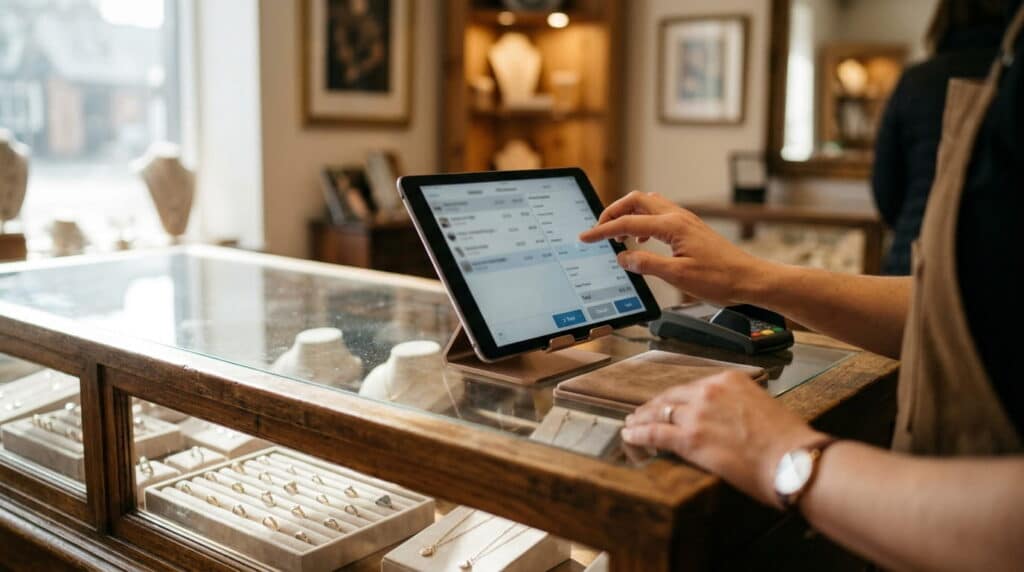
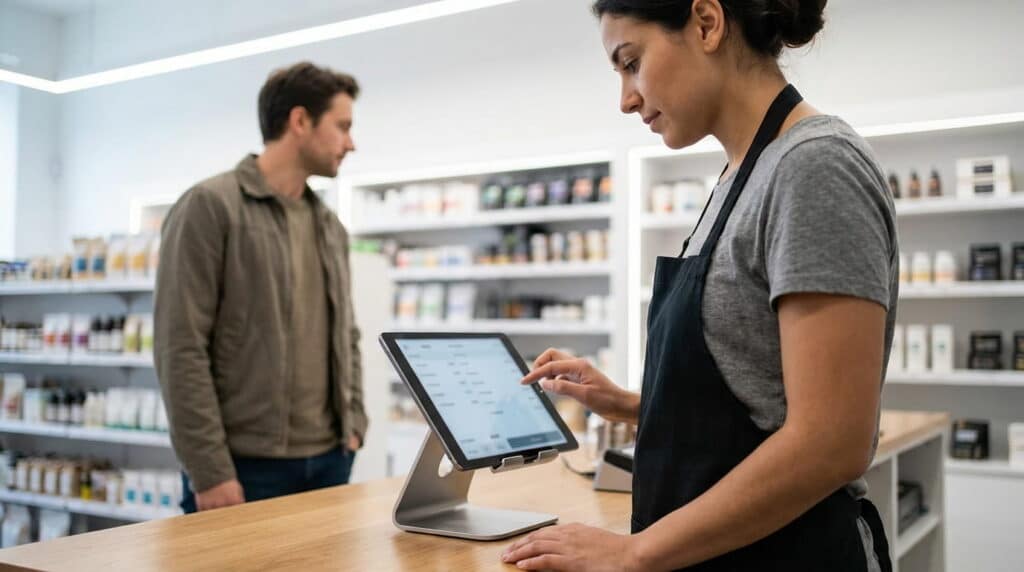
Technology can streamline your operations and enhance the customer experience. A cloud-based POS system is a must for today’s retailers.
With the right POS software, you can:
- Process sales and returns quickly.
- Manage inventory and customer data in one dashboard.
- Integrate with e-commerce platforms for unified sales reporting.
- Generate detailed reports to monitor business performance.
Strategy 7: Market Your Retail Store
Effective marketing ensures that your store stays visible and relevant. A combination of online and offline strategies works best.
Online Marketing:
- Build a professional website with your store details and product highlights.
- Optimize your Google Business Profile to appear in local searches.
- Use social media to showcase new arrivals, promotions, and customer testimonials.
- Send email newsletters with exclusive offers.
Offline Marketing:
- Host in-store events or seasonal sales.
- Collaborate with nearby businesses for cross-promotions.
- Use flyers, posters, and loyalty cards to attract walk-in traffic.
Strategy 8: Track Performance and Adjust Strategies
Data-driven decision-making is vital to running a successful retail store. Monitor your store’s key performance indicators (KPIs) such as:
- Sales per square foot
- Average transaction value
- Inventory turnover rate
- Customer retention rate
- Employee performance metrics
Analyze your POS reports regularly to identify patterns and opportunities. For instance, if a particular product sells well in one location but not another, you can adjust your inventory or marketing accordingly.
Strategy 9: Focus on Customer Retention
Acquiring a new customer costs more than retaining an existing one. Implement strategies to keep your customers loyal:
- Offer rewards or points systems.
- Send thank-you emails or personalized recommendations.
- Request feedback and act on it.
- Keep communication open through social media and newsletters.
Strategy 10: Plan for Growth and Expansion
Once your store runs smoothly, it’s time to think about scaling. You can:
- Open additional locations.
- Add an online store or expand your product range.
- Partner with suppliers for exclusive products.
- Use sales data to forecast and plan future investments.
The key is to grow sustainably—expansion should always align with demand, capacity, and market potential.

Common Questions
How long does it take to see results from new retail strategies?
It varies by strategy — marketing and layout changes can show impact within weeks, while staffing and customer retention improvements typically take a few months to show up clearly in your numbers.
What’s the single most important strategy for a new retail store?
There’s no single answer, but a strong business plan (Strategy 1) underpins everything else — location, inventory, and marketing decisions all flow from a clear plan.
How does a POS system support these retail strategies?
A modern POS system touches most of these strategies directly — inventory tracking, sales reporting, customer data, and performance metrics all run through it, which is why choosing the right one matters early on.
How often should I review my retail store’s performance?
Most retailers review core KPIs monthly, with a deeper quarterly review to catch longer-term trends that a single month might not reveal.
Ready to put these strategies into practice with the right POS system behind you? Contact Realtime POS for a walkthrough, or view pricing to get started.