
Open to buy (OTB) is a term used in retail management to refer to the amount of money or inventory that a store has available to purchase new merchandise.
It is calculated by subtracting the store’s projected end-of-month inventory and outstanding orders from the store’s budget or credit limit.
The resulting amount is the amount of money or inventory that the store can “openly buy” in order to replenish stock or make new purchases.
By regularly calculating the OTB, retailers can ensure that they have enough inventory to meet customer demand without overstocking and tying up valuable financial resources.
By keeping inventory levels in line with demand, retailers can reduce the likelihood of having to mark down overstocked items, which can negatively impact profitability.
By monitoring the OTB, retailers can ensure that they have enough cash available to purchase new merchandise, which can help to maintain healthy cash flow.
By regularly monitoring the OTB, retailers can allocate resources more effectively by allocating them to high-performing products and categories.
By regularly monitoring the OTB, retailers can have better forecasting ability to predict the future trends of their inventory.
By having better forecasting ability, retailers can negotiate better with their suppliers and vendors.
By having the right product available at the right time, retailers can improve the customer experience and increase customer satisfaction.
Track by Department and class and (by store for multi-store operations)
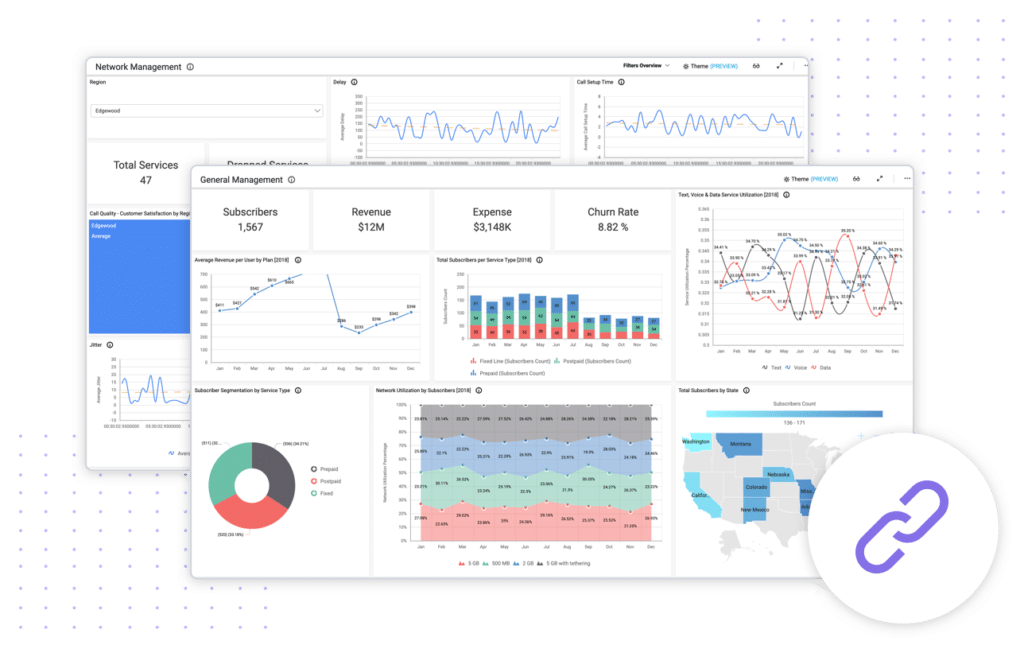
For folks that are not familiar with what open to buy (OTB) here is a summary of how it could be implemented manually outside of our solution. Implementing an OTB system in your store can be relatively straightforward, but it does require some planning and organization. Here are some steps that retailers can take to get started:
Determine how much money or inventory you have available to purchase new merchandise.
Use your historical sales data to project your end-of-month inventory levels.
Add up the value of all outstanding orders that you have placed with suppliers and vendors.
This will give you your OTB.
Regularly check your OTB to ensure that you have enough money or inventory to purchase new merchandise.
If you find that you are consistently over or under budget, adjust your budget or inventory levels accordingly.
Discover how RealTime POS can help you streamline your operations and improve your bottom line.
Your Demo will include a customized walkthrough of Realtime POS catered to your company’s unique needs.