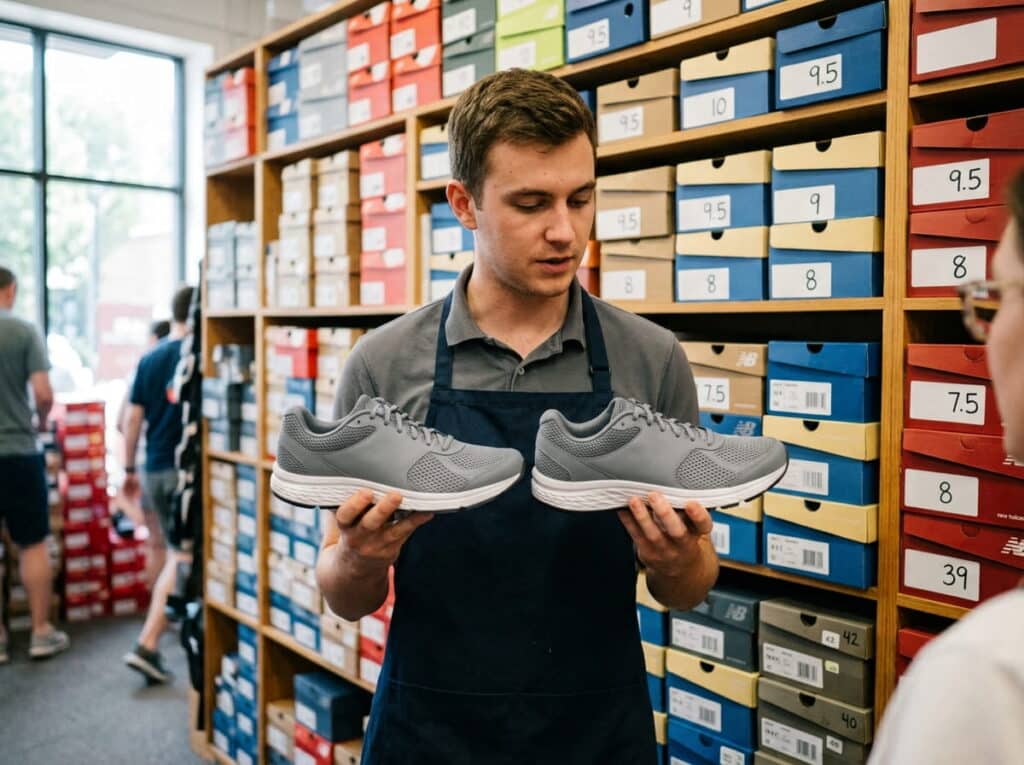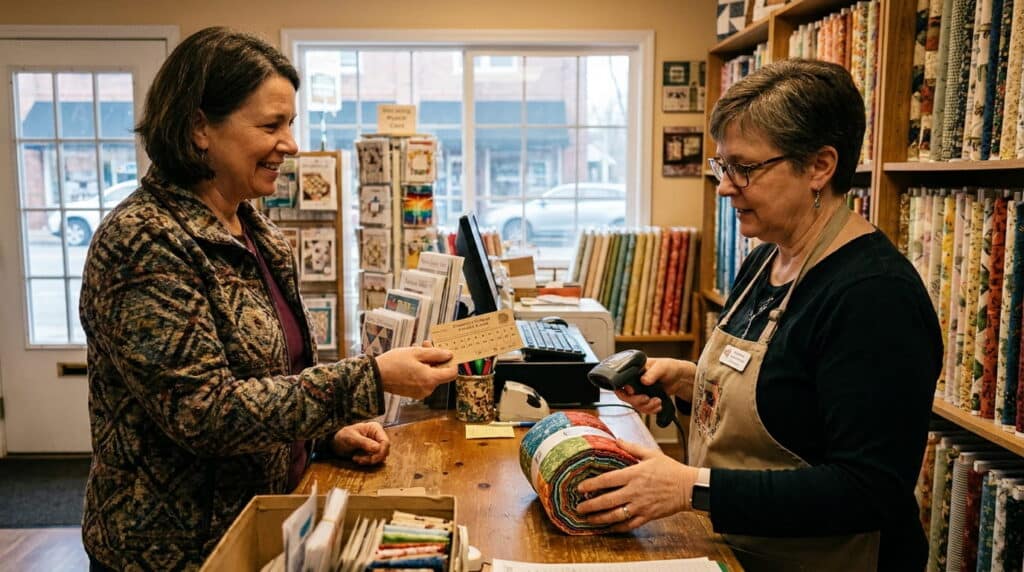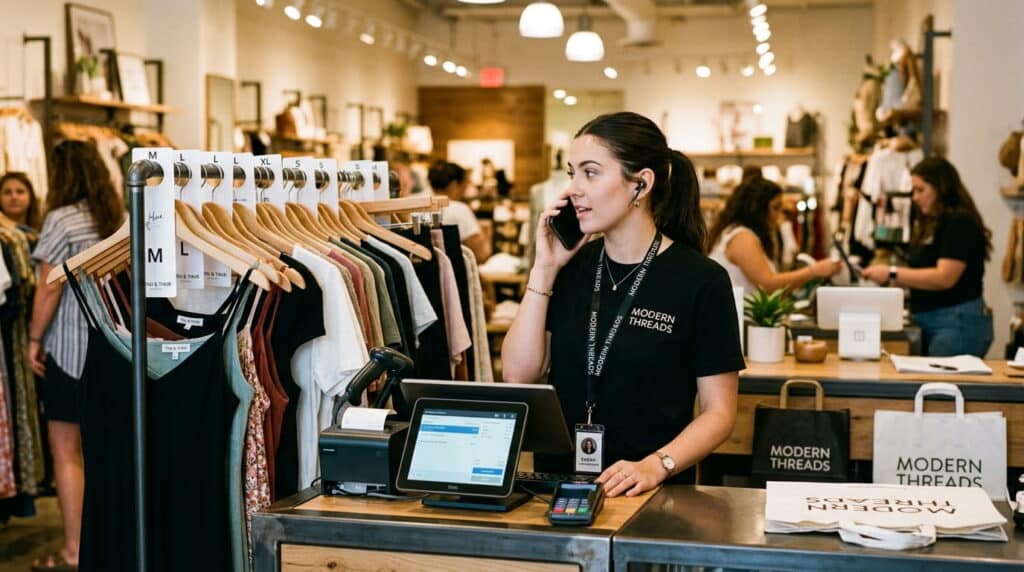

In today’s competitive retail landscape, customer retention is just as important as customer acquisition. A loyalty rewards program can be one of the most effective tools for keeping shoppers engaged and returning to your store.
Whether you run a boutique, grocery store, or chain retailer, the right rewards strategy can strengthen customer relationships, increase sales, and enhance brand loyalty. This guide explains how to create a successful loyalty rewards program in retail that delivers measurable results.
Why Loyalty Programs Matter in Retail
Loyalty programs reward customers for repeated purchases or specific actions—like signing up for emails, referring friends, or leaving reviews. They help retailers turn occasional shoppers into long-term brand advocates.
According to research, loyal customers spend up to 67% more than new ones and are five times more likely to make repeat purchases. In short, loyalty programs build emotional and financial connections between customers and your brand.
1. Define Your Goals
Before creating a loyalty program, clarify what success looks like for your business. Common objectives include:
- Increasing customer retention and lifetime value
- Boosting average order value
- Collecting valuable customer data
- Encouraging specific behaviors (e.g., referrals, upsells, or repeat visits)
A clear goal ensures that your rewards structure aligns with measurable business outcomes rather than vague engagement metrics.
2. Understand Your Customers
Not all loyalty programs are one-size-fits-all. Use your POS and CRM data to analyze customer behavior—what they buy, how often they visit, and what motivates their spending.
For example, a boutique might find that customers respond well to exclusive previews or early access to sales, while a grocery chain might focus on points-based discounts. Knowing your audience allows you to personalize rewards that feel valuable and relevant.
3. Choose the Right Type of Loyalty Program
There are several loyalty program models retailers can adopt. Each has its strengths depending on your business size and goals.
Points-Based Programs
Customers earn points for every purchase, which can later be redeemed for discounts, free products, or special offers.
Example: Earn 1 point per $1 spent—get $10 off for every 100 points.
Tiered Rewards Programs
This structure incentivizes increased spending by offering higher-value rewards as customers climb tiers (e.g., Silver, Gold, Platinum).
Example: Spend $500 to reach Gold status and enjoy 10% off all future purchases.
Paid Membership Programs
A paid VIP program offers premium benefits for an annual or monthly fee.
Example: Pay $49/year to get free shipping, exclusive discounts, and early access to new collections.
Cashback Programs
Customers receive a percentage of their purchase back as store credit or discounts for future use.
Hybrid Programs
Many retailers combine multiple approaches, like earning points while unlocking tiered perks.
4. Integrate Loyalty Programs with Your POS System
A modern POS system makes managing loyalty rewards seamless. With POS integration, you can automatically track purchases, issue points, and personalize offers based on real-time sales data.
This eliminates manual tracking and ensures every transaction contributes to customer loyalty goals. Integration also allows you to run targeted promotions, identify high-value customers, and generate detailed performance reports.
5. Offer Meaningful and Attainable Rewards
The success of a loyalty program depends on how attractive—and realistic—the rewards are.
Consider offering:
- Exclusive discounts for members
- Free products or upgrades
- Birthday or anniversary perks
- Early access to new arrivals or sales
- Personalized recommendations
Avoid overly complex point systems or high thresholds that discourage participation. Customers should see value after just a few purchases.
6. Promote Your Loyalty Program Effectively
Even the best-designed loyalty program won’t succeed if customers don’t know about it. Use multiple marketing channels to spread the word:
- In-store signage and receipts
- Email newsletters and SMS alerts
- Social media campaigns
- Website banners and checkout prompts
Train staff to invite customers to join at checkout, emphasizing how easy and beneficial it is to enroll.
7. Personalize and Engage
Loyalty programs shouldn’t be static. Use customer insights to tailor messages and rewards.
For instance:
- Send a “thank you” email after a milestone purchase.
- Offer special promotions based on buying history.
- Celebrate birthdays with exclusive discounts.
Personalized engagement strengthens emotional loyalty, making customers feel valued beyond the transaction.
8. Measure and Optimize Performance
Finally, regularly analyze your loyalty program’s performance. Track metrics such as:
- Enrollment rate
- Redemption rate
- Repeat purchase frequency
- Average transaction value
- Customer lifetime value (CLV)
Use these insights to refine rewards, adjust messaging, or introduce new tiers. A data-driven approach ensures your program continues to meet evolving customer expectations.
Conclusion
Creating a successful loyalty rewards program in retail isn’t just about offering discounts—it’s about building lasting relationships. By understanding your customers, integrating with your POS system, and continuously refining your strategy, you can turn casual shoppers into dedicated brand advocates.
A well-structured loyalty program is a long-term investment that pays off in repeat business, stronger brand recognition, and sustainable growth.