
in today’s fast-paced digital world, reaching customers directly and instantly is more important than ever. SMS marketing—the practice of sending promotional or transactional messages via text—is one of the most effective and personal ways to communicate with customers.
Unlike emails or social ads that can get lost in crowded inboxes or feeds, text messages reach customers immediately and boast some of the highest open rates in marketing. But what exactly is SMS marketing, how does it work, and why is it so effective?
Defining SMS Marketing
SMS marketing (Short Message Service marketing) is a form of mobile marketing that allows businesses to send text messages directly to a customer’s phone. These messages can include:
- Promotions and discounts
- Product updates or announcements
- Order confirmations and shipping alerts
- Appointment reminders
- Loyalty program updates
Businesses use SMS marketing to build relationships, drive engagement, and encourage repeat purchases—all through a highly personal communication channel.
How SMS Marketing Works
The process of SMS marketing is straightforward but requires compliance and strategy. Here’s how it typically works:
- Customer Opt-In – Before sending messages, businesses must obtain consent. Customers usually subscribe by texting a keyword (e.g., “JOIN”) to a short code or signing up through a website form.
- Message Creation – Marketers craft concise, relevant messages limited to 160 characters, ensuring they’re engaging and action-oriented.
- Delivery Through an SMS Platform – Messages are sent using SMS marketing software that automates distribution, scheduling, and segmentation.
- Customer Engagement and Tracking – Once messages are sent, businesses can track open rates, click-throughs, and conversions.
The simplicity and immediacy of this process make SMS one of the most responsive marketing channels available today.
Why SMS Marketing Is Effective
SMS marketing’s success lies in its directness and accessibility. Here are the main reasons why it stands out:
- High Open Rates: Studies show that over 90% of SMS messages are read within three minutes.
- Instant Delivery: Texts are delivered instantly, making them ideal for time-sensitive offers.
- Personalization: Businesses can tailor messages using customer data to create personalized experiences.
- Two-Way Communication: Customers can reply or engage directly with businesses, increasing interactivity.
- Broad Reach: Since SMS doesn’t require internet access, it works on nearly every mobile device.
Compared to email or social media, SMS offers unmatched immediacy and engagement.
Types of SMS Marketing Campaigns
There are several effective ways to use SMS marketing depending on your business goals:
- Promotional Campaigns – Send special offers, discount codes, or flash sales to drive immediate purchases.
- Transactional Messages – Confirm orders, track shipments, or notify customers of delivery updates.
- Event and Appointment Reminders – Useful for service-based businesses like salons, clinics, or restaurants.
- Customer Feedback Requests – Ask customers to leave reviews or participate in surveys.
- Loyalty and Rewards Updates – Notify customers about loyalty points, VIP programs, or birthday rewards.
These targeted approaches help build stronger relationships while driving measurable business results.
Best Practices for SMS Marketing Success
To ensure your SMS marketing campaigns are effective and compliant, follow these key best practices:
1. Obtain Explicit Consent
Always make sure customers opt in before sending any messages. Unsolicited texts can damage your reputation and violate regulations such as the Telephone Consumer Protection Act (TCPA).
2. Keep Messages Short and Clear
SMS has a character limit, so be concise. Get straight to the point and include a clear call to action (CTA), such as “Shop Now” or “Claim Your Offer.”
3. Personalize When Possible
Use customer names and purchase history to make your texts feel personal and relevant. Personalized messages tend to have higher engagement rates.
4. Choose the Right Timing
Send messages at times when customers are most likely to read and act—typically mid-morning or early afternoon. Avoid sending messages too early or too late in the day.
5. Provide an Easy Opt-Out Option
Always include an opt-out instruction like “Reply STOP to unsubscribe.” This builds trust and ensures compliance.
6. Integrate with Other Marketing Channels
Combine SMS with email marketing, social media, and POS systems for a unified customer engagement strategy.
The Role of SMS Marketing in Retail and POS Systems
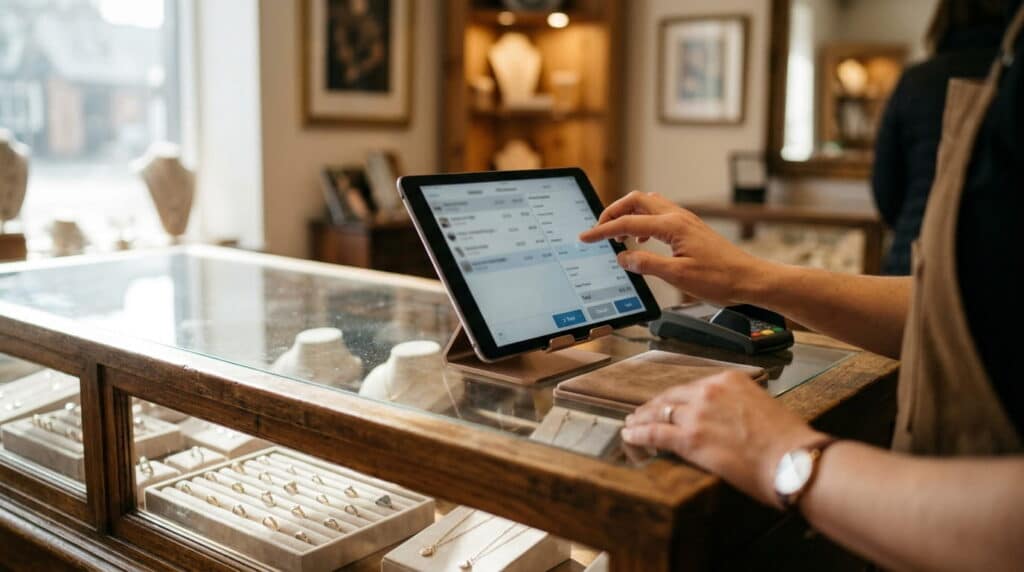
For retailers, integrating SMS marketing with a point-of-sale (POS) system brings even greater benefits.
Here’s how:
- Real-Time Promotions: Send automatic discounts after purchase or on a customer’s birthday.
- Inventory Alerts: Notify customers when out-of-stock items become available.
- Customer Retention: Encourage repeat visits with loyalty rewards sent via SMS.
- Automated Campaigns: Schedule texts based on shopping behavior and purchase history.
This integration allows businesses to create data-driven campaigns that are both personalized and timely—boosting sales and customer satisfaction.
Benefits of Using SMS Marketing
- Cost-Effective: Low-cost compared to traditional advertising or paid social media.
- Immediate ROI: Quick engagement means faster conversions.
- Customer Retention: Keeps your brand top of mind with regular updates.
- Accessibility: Works on any phone without internet access.
- Easy Automation: Modern platforms simplify scheduling, segmentation, and reporting.
By implementing SMS marketing, businesses can maintain consistent communication with their audience and increase long-term customer loyalty.
The Future of SMS Marketing
SMS continues to evolve as part of broader omnichannel strategies. Businesses are now using RCS (Rich Communication Services)—an upgraded version of SMS that supports multimedia, branding, and interactive buttons.
Additionally, AI-driven personalization allows marketers to predict the best time and message type for each customer, further improving engagement rates.
As mobile usage grows, SMS marketing will remain a vital tool for instant, meaningful customer communication.
Conclusion
So, what is SMS marketing? It’s one of the most powerful tools for direct customer engagement—fast, personal, and effective. Whether you’re promoting a sale, confirming an order, or nurturing loyalty, SMS marketing helps you stay connected and drive real results.
When combined with a smart POS or CRM system, SMS marketing can transform how your business communicates—turning every message into a meaningful interaction that builds trust and boosts sales.