
Every retailer faces the challenge of unsold inventory sitting on shelves for too long. This issue, commonly known as dead stock, can tie up valuable capital, occupy storage space, and reduce profitability. Understanding what dead stock in retail is, why it happens, and how to manage or prevent it is essential for maintaining a healthy inventory flow.
In this article, we’ll explore the causes of dead stock, its impact on your retail business, and practical strategies to reduce or eliminate it.
What Is Dead Stock in Retail?
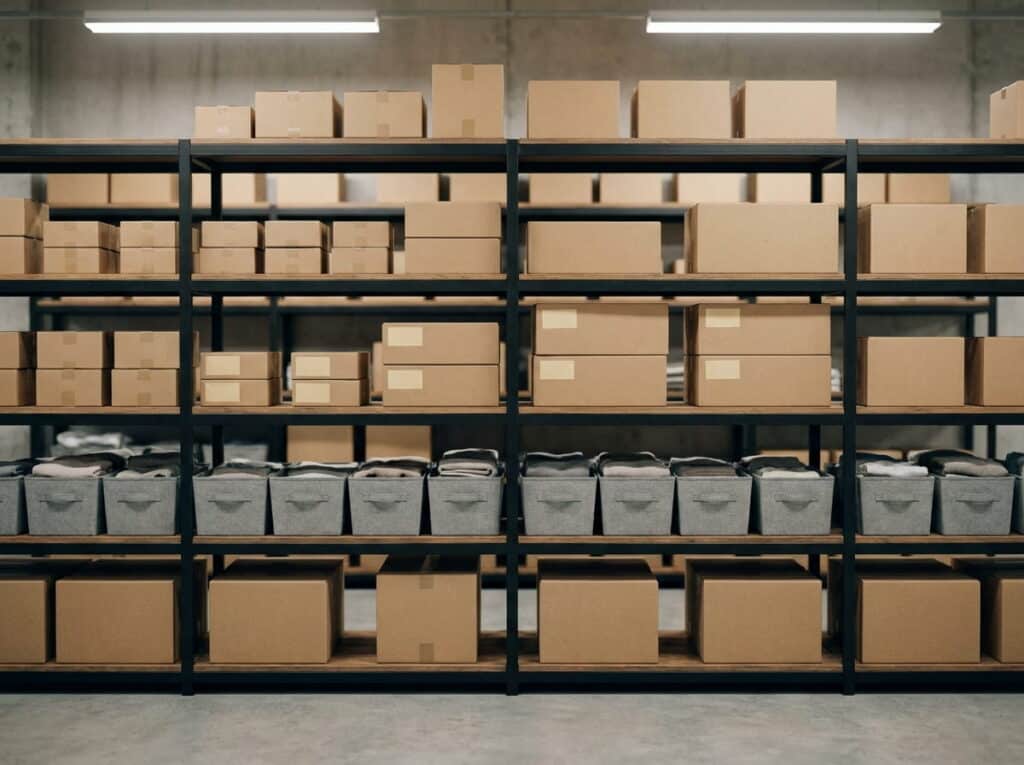
Dead stock refers to inventory that remains unsold for an extended period and is unlikely to sell in the future. These products may have become outdated, out of season, damaged, or simply unpopular with customers.
In retail, dead stock ties up both financial and physical resources—capital that could otherwise be invested in faster-moving, revenue-generating products.
Common examples include:
- Seasonal items (e.g., holiday decor after the holidays)
- Outdated technology or fashion products
- Overordered inventory that exceeds demand
- Items with low consumer interest or poor marketing support
Identifying and addressing dead stock early helps prevent cash flow problems and wasted storage space.
Why Dead Stock Happens
Dead stock can occur for a variety of operational and strategic reasons. The most common causes include:
1. Poor Demand Forecasting
Retailers sometimes rely on inaccurate sales predictions, resulting in overordering. Without reliable data and sales history, inventory decisions can lead to excess products.
2. Overbuying or Bulk Purchasing
While buying in bulk can reduce costs per unit, it also increases the risk of ending up with unsold items if demand doesn’t meet expectations.
3. Seasonal or Trend-Based Products
Fashion, electronics, and home décor industries are highly trend-driven. When trends change quickly, products can lose appeal and become dead stock.
4. Lack of Marketing or Promotion
Even great products can remain unsold if they’re not properly promoted. Limited visibility or weak marketing campaigns often contribute to unsold inventory.
5. Product Quality or Design Issues
Products that fail to meet customer expectations in quality, design, or functionality may never sell, leading to accumulation of dead stock.
The Impact of Dead Stock on Retail Businesses
The presence of dead stock can affect a business in multiple ways—both financially and operationally.
1. Tied-Up Capital
Money spent on unsold inventory can’t be used for purchasing new, high-demand products. This can restrict your cash flow and limit business growth.
2. Increased Storage Costs
Holding unsold items requires warehouse space, which increases rent, utilities, and maintenance expenses.
3. Reduced Profit Margins
Retailers often resort to heavy discounts or liquidation sales to move dead stock, which reduces profit margins.
4. Obsolete Inventory
Certain products—especially in fashion and technology—can become outdated quickly, making them impossible to sell even at a discount.
5. Operational Inefficiency
Dead stock clutters inventory systems and can skew reporting data, making it harder to track real-time performance and demand.
How to Identify Dead Stock
The first step to solving a dead stock issue is recognizing it early. Retailers can identify dead stock by analyzing sales and inventory data for the following signs:
- Products that haven’t sold for 90 days or more
- Inventory turnover rate below industry benchmarks
- Items with high return rates or negative reviews
- Overcrowded warehouse shelves with old SKUs
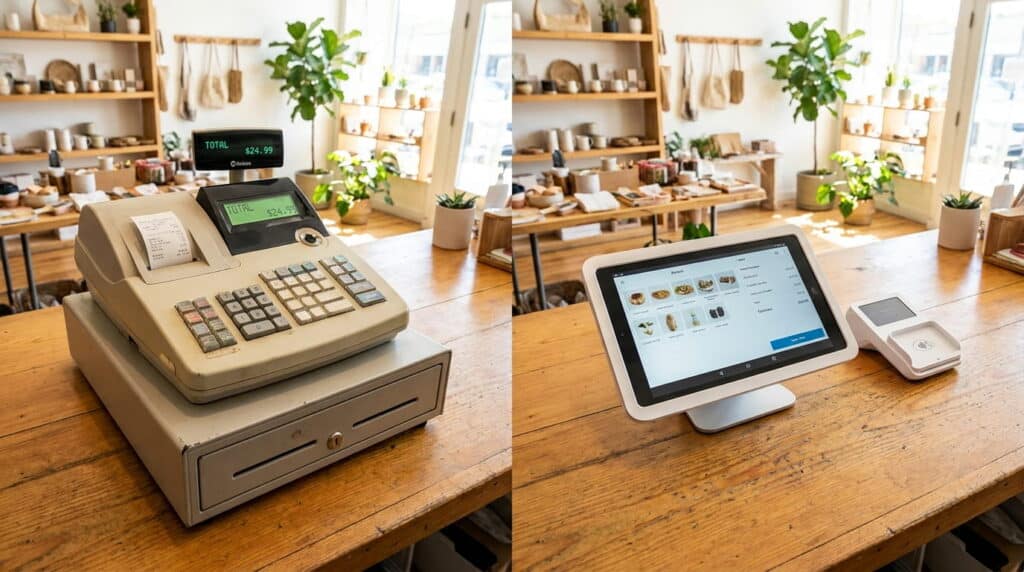
Using inventory management software or a POS system with detailed reporting helps retailers quickly spot slow-moving items before they become dead stock.
Effective Strategies to Reduce or Eliminate Dead Stock
1. Improve Demand Forecasting
Leverage historical data, market trends, and seasonal patterns to predict demand more accurately. Using analytics tools helps minimize overordering.
2. Optimize Inventory Levels
Implement a just-in-time (JIT) inventory system or automated reordering to maintain lean stock levels and avoid overstocking.
3. Bundle or Repackage Slow-Moving Items
Combine dead stock with popular products as part of a bundle or gift set. This approach can help move older items while increasing the appeal of new ones.
4. Offer Discounts or Clearance Sales
If products are nearing obsolescence, consider running clearance sales or offering discounts to recover at least part of your investment.
5. Donate or Liquidate
Donating unsold goods to charities or selling them to liquidation companies can help recover costs while generating goodwill.
6. Strengthen Supplier Relationships
Work closely with suppliers to negotiate return policies or exchange agreements for unsold inventory. This can reduce your financial burden.
7. Integrate Inventory Management Tools
Modern POS and retail management systems like RealtimePOS can track inventory performance, generate reports, and alert you to products showing signs of stagnation. Automation ensures smarter stock decisions and fewer dead stock issues.
Preventing Dead Stock with Technology
Technology plays a crucial role in preventing dead stock. With real-time analytics, retailers can make data-driven decisions about purchasing, pricing, and promotions.
Inventory management software provides insights such as:
- Best-selling and slow-moving products
- Seasonal demand patterns
- Supplier performance data
- Automated reorder points
Integrating your retail POS with eCommerce channels ensures synchronized inventory, preventing overstock across multiple platforms.
Conclusion
Dead stock in retail is a silent profit killer, draining resources and occupying valuable space. However, with proactive inventory management, data-driven forecasting, and the right POS system, retailers can prevent overstocking and maintain a healthy cash flow.
By monitoring sales trends and leveraging automation, you can ensure your business stays efficient, profitable, and customer-focused.