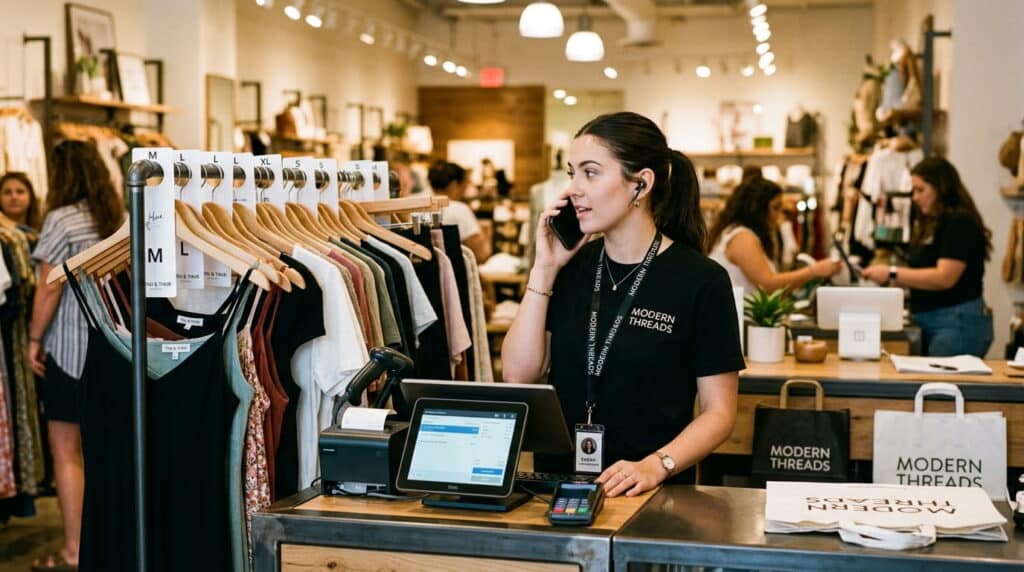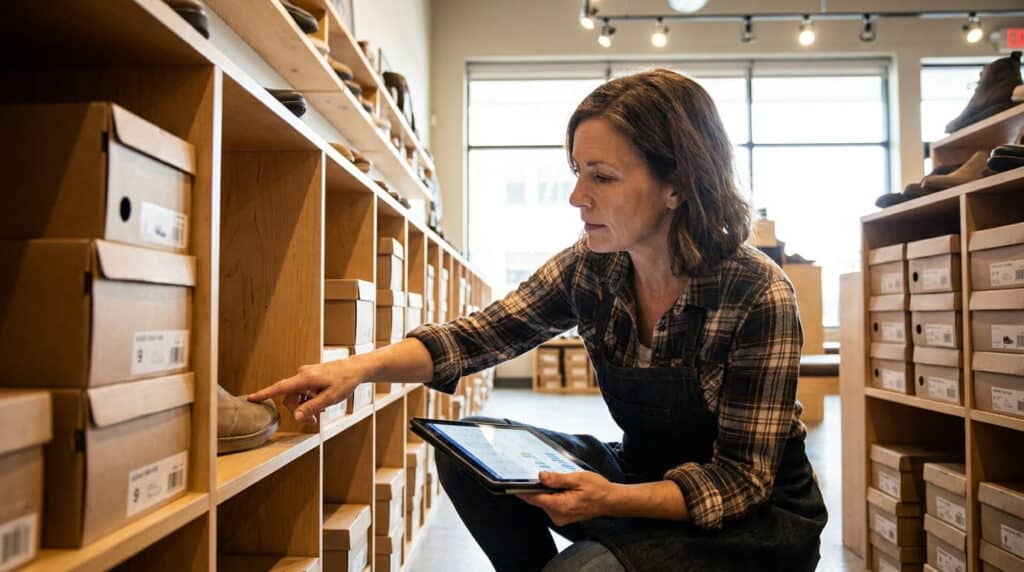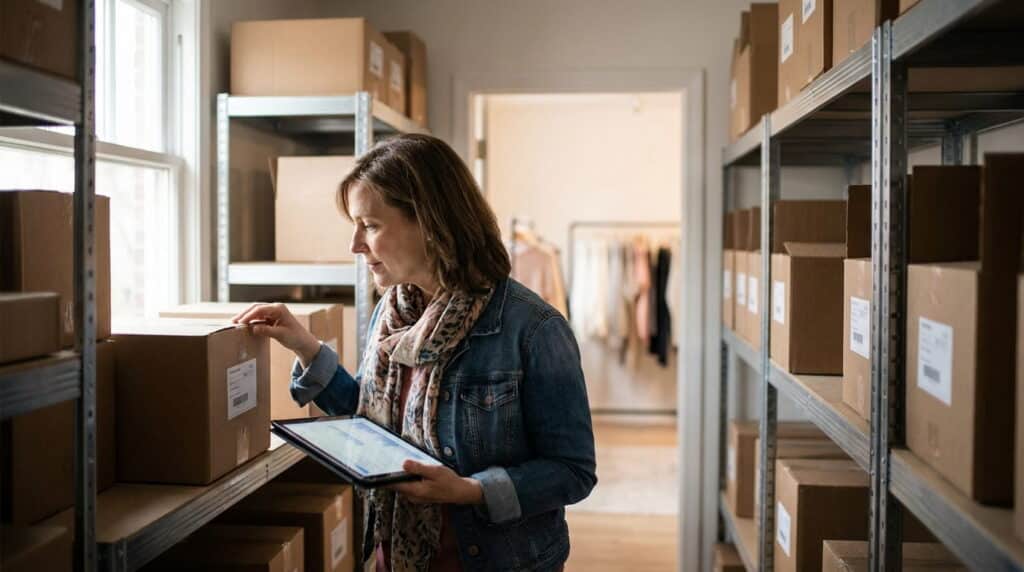
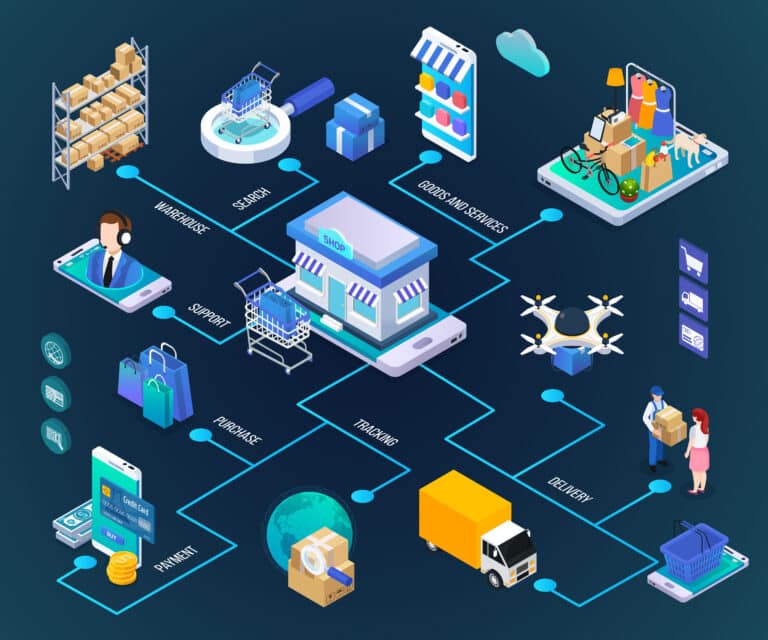
The retail industry has entered a new era where agility, efficiency, and customer experience define success. At the core of this shift is the retail cloud solution — a cloud-based approach that lets retailers manage operations, sales, inventory, and customer relationships from anywhere. Unlike traditional point-of-sale systems, retail cloud platforms offer scalability, flexibility, and cost-efficiency for businesses of any size.
Key Takeaways
- A retail cloud solution manages inventory, sales, and customer data online instead of on local hardware — accessible from anywhere, on any device.
- Retailers typically pay for what they use instead of a large upfront hardware investment, lowering IT costs.
- Cloud systems scale with your business — adding a new store or location doesn’t mean buying new servers.
- Retail cloud platforms integrate with tools like QuickBooks, e-commerce platforms, and NFC-enabled payment methods for a connected setup.
- Realtime POS offers retail cloud solutions built for specific industries, from clothing stores to multi-location retailers.
Table of Contents
What Is a Retail Cloud Solution?
A retail cloud solution uses cloud-based technology to manage retail operations — inventory, sales transactions, customer data, and reporting — instead of relying on local servers or on-premise hardware. Because it runs online, you can access your store’s data securely from any device, in any location.
Key features include:
Remote access — manage operations from anywhere.
Real-time updates — inventory, sales, and customer data sync instantly.
Scalability — add stores, users, or product lines as your business grows.
Lower IT costs — no heavy hardware or on-site maintenance required.
Benefits of a Retail Cloud Solution for Retailers
1. Cost Efficiency
Traditional POS systems often require a large upfront investment in hardware and servers. With a retail cloud solution, you pay for what you use, reducing IT infrastructure costs.
2. Flexibility and Scalability
Whether you run a single location or multiple branches, cloud systems adapt to your growth. Adding new users, stores, or product lines is straightforward.
3. Improved Data Security
Retailers handle sensitive customer and payment data. Cloud solutions use encryption and secure backups, offering better protection than outdated on-premise systems.
4. Real-Time Data and Analytics
Real-time access to sales and inventory reports helps you make data-driven decisions that improve margins and customer satisfaction.
5. Seamless Integrations
Retail cloud systems connect smoothly with accounting tools like QuickBooks, e-commerce platforms, and marketing software.
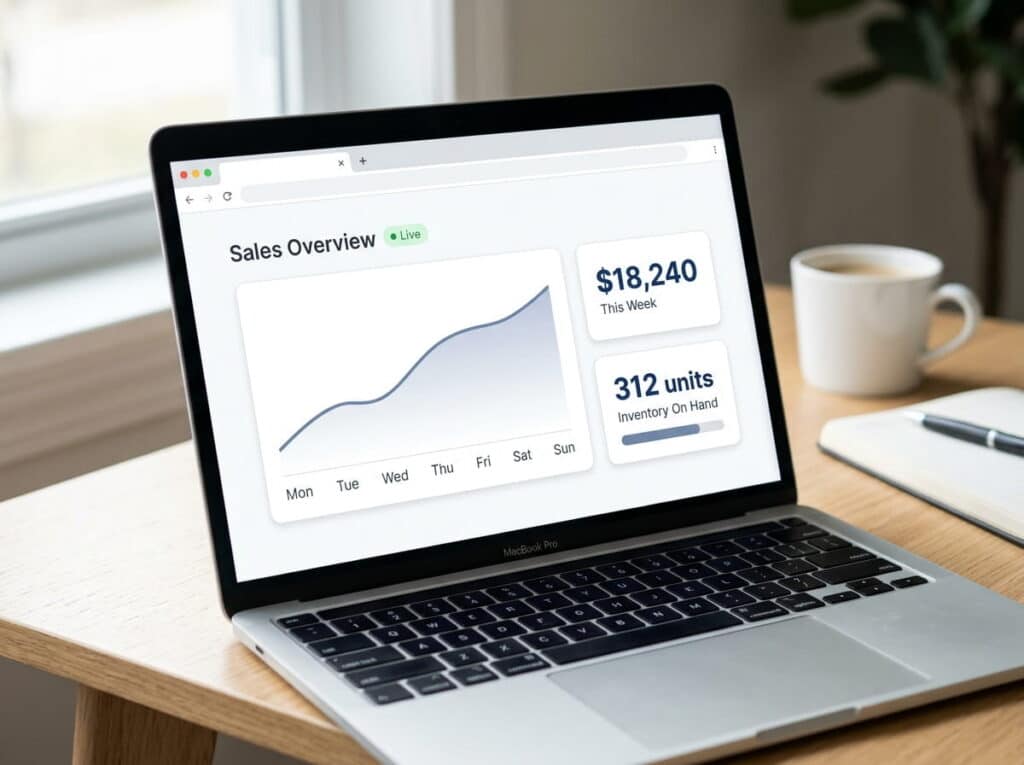
Retail Cloud Solutions for Small and Large Retailers
Cloud-based retail solutions aren’t just for large enterprises — small and mid-sized retailers benefit equally, with the ability to:
- Manage inventory efficiently across one or more locations.
- Offer multiple payment options, including credit cards and NFC payments.
- Track customer behavior for personalized promotions.
For larger retailers with multiple stores, multi-store POS software powered by a retail cloud solution makes central management easier than running separate systems per location

Retail Cloud vs. Traditional POS Systems
| Feature | Retail Cloud | Traditional POS Systems |
| Initial Cost | Low | High upfront investment |
| Scalability | Easy to scale | Limited |
| Remote Access | Yes | No |
| Security & Updates | Automatic | Manual & costly |
| Integration with Other Apps | Seamless | Complex |
The difference is clear: cloud-based retail systems provide better long-term value and efficiency than maintaining on-premise hardware.
Realtime POS: Your Partner for Retail Cloud Solutions
At Realtime POS, we build customizable retail cloud solutions for a range of industries, including clothing stores, shoe shops, bookstores, and more. Our software is designed for retailers who need reliability, scalability, and day-to-day efficiency.
If you’re moving from an older on-premise system, see how we compare as a Microsoft RMS Alternative, or explore our dedicated Clothing POS Software if you run an apparel business.
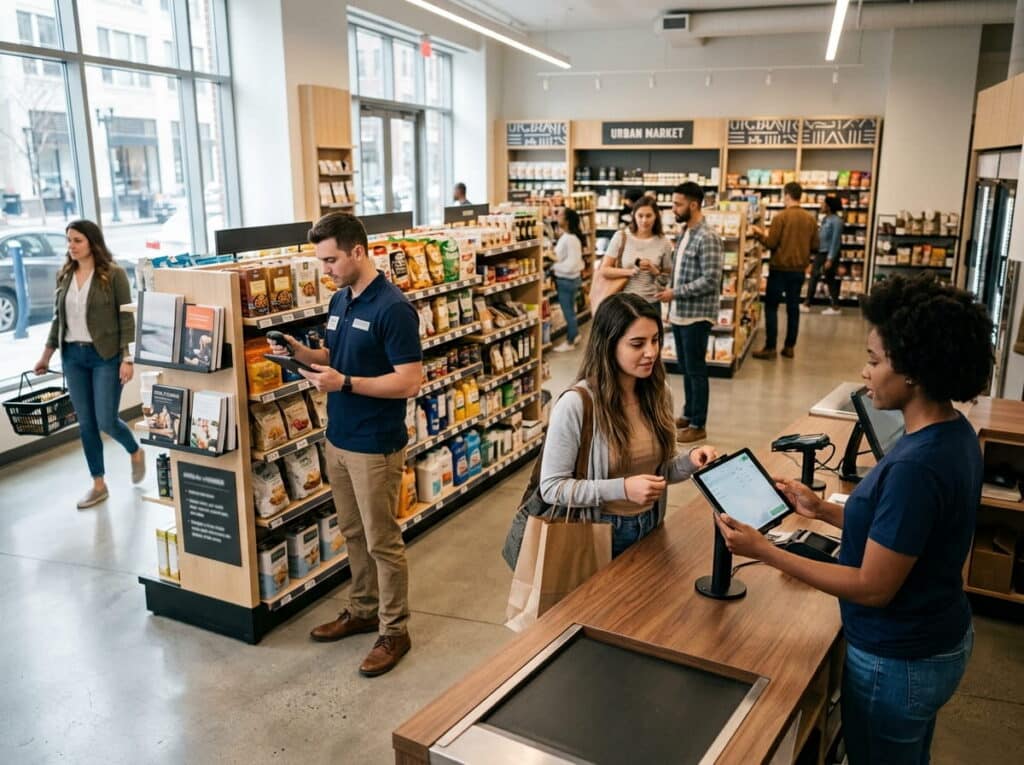
Common Questions
Is a retail cloud solution the same as a cloud-based POS system?
Yes, generally — “retail cloud solution” and “cloud-based POS” both describe running your point-of-sale and back-office data online instead of on local hardware. The terms are often used interchangeably.
Does a retail cloud solution cost more than a traditional POS system over time?
Usually not. Traditional systems require a larger upfront hardware investment; retail cloud solutions spread costs out and typically include updates and security patches without separate fees.
Is my business data secure in a retail cloud system?
Yes. Retail cloud platforms use encryption and secure, automatic backups — generally a stronger security posture than manually maintained on-premise servers.
Can I switch to a retail cloud solution without losing my existing data?
In most cases, yes — data migration is a standard part of onboarding to a new retail cloud system. The specifics depend on what you’re migrating from, so it’s worth confirming with your provider before switching.
How do cloud-based solutions improve inventory management in retail?
Inventory updates in real time across every location and channel, so a sale in one store is reflected everywhere instantly — no more end-of-day reconciliation. That means fewer overselling issues, faster restock alerts, and one accurate inventory view instead of separate spreadsheets per store.
What point of sale solution would be best for a retail shop?
It depends on your store size, number of locations, and whether you need cloud access or industry-specific features. Realtime POS builds cloud-based systems for a range of retail categories — see our point-of-sale overview to compare options for your store.
Ready to move your store to a retail cloud solution? Contact Realtime POS to see what a migration would look like for your business, or view pricing to get started.