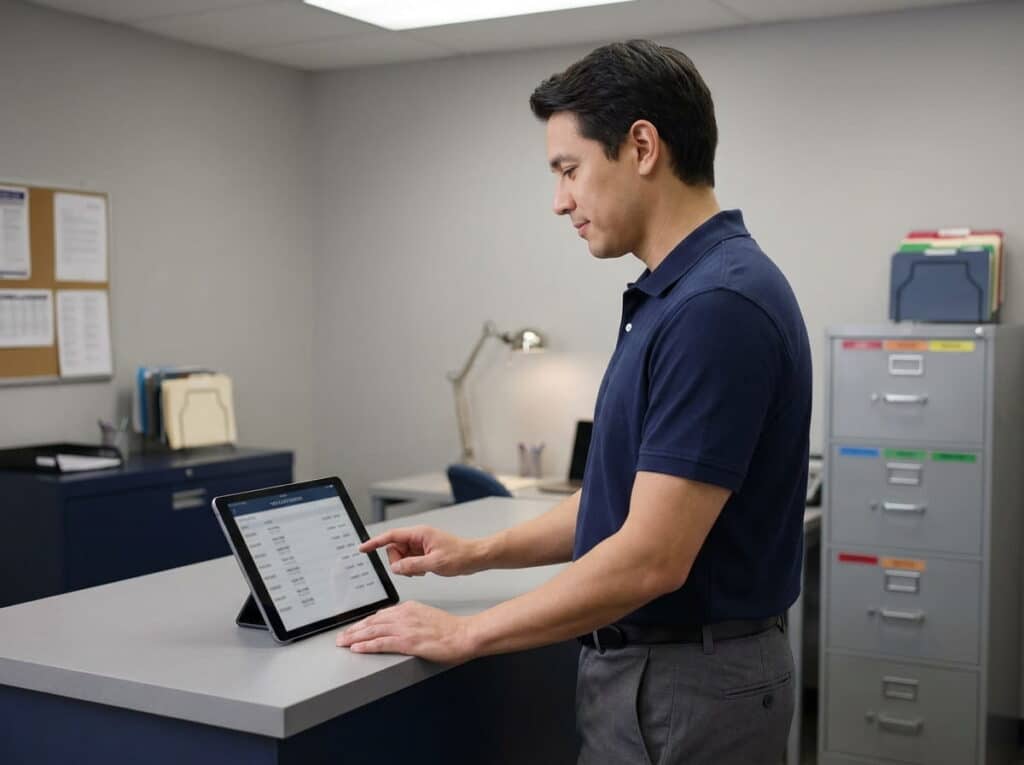

In today’s fast-paced retail and business landscape, efficiency and accuracy in inventory tracking are vital for success. Managing stock manually can lead to costly errors, overstocking, or stockouts — all of which affect profits and customer satisfaction. This is where Inventory System Software becomes indispensable.
By automating stock tracking, order management, and reporting, an inventory system ensures you always have the right products in the right quantities — at the right time.
What Is Inventory System Software?
Inventory System Software is a digital solution that helps businesses track, organize, and manage inventory across warehouses, stores, and sales channels. It provides a real-time overview of stock levels, product movements, and sales data — reducing the need for manual counting and spreadsheets.
The system automates essential inventory tasks such as:
- Monitoring stock levels and reorder points
- Tracking product sales and returns
- Managing supplier orders and deliveries
- Generating inventory performance reports
Whether you run a retail store, eCommerce business, or wholesale operation, an efficient inventory system can significantly improve accuracy and productivity.
Why Businesses Need an Inventory System Software
Without proper inventory management, businesses face common challenges — from inaccurate stock counts to inefficient order fulfillment. Implementing inventory system software solves these problems and adds measurable value to operations.
Here are some key reasons to invest in one:
1. Real-Time Inventory Tracking
Manual tracking often leads to outdated data. With an automated system, you can view real-time stock levels and avoid overselling or running out of products.
2. Improved Accuracy and Efficiency
Automation minimizes human error. The software updates stock information instantly after every sale, return, or shipment — ensuring data accuracy.
3. Cost Savings
By preventing overstocking and stockouts, businesses save on storage costs and lost sales. Better forecasting helps maintain optimal inventory levels.
4. Enhanced Customer Satisfaction
Having products available when customers need them leads to better service and repeat purchases. Timely order fulfillment also builds trust and brand loyalty.
5. Streamlined Operations
The system integrates sales, purchasing, and accounting, creating a unified workflow. Employees spend less time managing spreadsheets and more time focusing on customers.
Key Features to Look for in Inventory System Software
When choosing the right solution for your business, consider these must-have features:
1. Real-Time Data Synchronization
Real-time data ensures accurate stock visibility across all channels — whether online, in-store, or in multiple warehouses.
2. Barcode and SKU Tracking
Barcode scanning and SKU-based management simplify product identification, speeding up inventory counts and reducing errors.
3. Multi-Location Management
For businesses with multiple branches or warehouses, a centralized inventory dashboard helps monitor stock transfers and performance in each location.
4. Reporting and Analytics
Comprehensive reporting tools provide insights into top-selling products, seasonal trends, and inventory turnover rates, helping you make informed purchasing decisions.
5. Integration Capabilities
Look for a system that integrates with POS systems, accounting software, and eCommerce platforms like Shopify, WooCommerce, or Amazon — ensuring smooth operations across your business.
6. Automated Reordering
Set reorder points to trigger automatic purchase orders when stock levels reach a threshold. This prevents stockouts and ensures consistent product availability.
7. Cloud-Based Accessibility
Cloud-based inventory systems allow you to access data anytime, anywhere. This is especially useful for businesses with remote teams or multiple stores.
Benefits of Using an Inventory System Software
1. Increased Productivity
Automation reduces the time spent on manual tracking and paperwork. Employees can focus on value-driven tasks like customer service and sales.
2. Better Decision-Making
With accurate and real-time data, business owners can identify sales trends, evaluate supplier performance, and make strategic purchasing decisions.
3. Minimized Shrinkage and Loss
Inventory discrepancies due to theft, misplacement, or miscounts are significantly reduced when transactions are digitally recorded.
4. Scalability
As your business grows, the right software adapts to your expanding inventory, new sales channels, and larger customer base.
5. Improved Profitability
By aligning stock levels with demand and reducing waste, you can optimize cash flow and increase your bottom line.
How to Choose the Right Inventory System Software
Selecting the best system requires understanding your business needs and evaluating available options based on the following factors:
- Business Size and Type – A small retailer may need a simple POS-integrated solution, while larger operations may require advanced analytics and warehouse management tools.
- Budget and Pricing Model – Choose software that offers flexible pricing, whether through a one-time purchase or a subscription model.
- Ease of Use – A user-friendly interface ensures faster adoption and reduces training time.
- Customer Support and Reliability – Look for a provider that offers strong technical support, regular updates, and data security.
- Scalability and Integration – The best systems grow with your business and work seamlessly with other essential software tools.
Conclusion
In the competitive retail and eCommerce landscape, having a reliable Inventory System Software is no longer optional — it’s essential. It enables businesses to operate efficiently, minimize costs, and improve customer satisfaction.
By investing in a solution that fits your needs, you can take control of your inventory, make data-driven decisions, and set your business up for sustainable growth.