
The rise of contactless payments has transformed how people pay for goods and services. With the growing popularity of digital wallets, tap-to-pay cards, and mobile payment apps, customers now expect faster, more convenient checkout experiences.
For businesses, understanding how contactless payments work—and why they matter—is essential for staying competitive in a cashless economy. This article answers the most common questions about contactless payments, helping you make informed decisions for your retail or service business.
What Are Contactless Payments?
Contactless payments allow customers to complete transactions by simply tapping their card, smartphone, or smartwatch on a compatible payment terminal. This technology relies on Near Field Communication (NFC), which securely transmits payment data between the device and the POS terminal within seconds.
Unlike traditional magnetic stripe or chip-based methods, contactless payments don’t require physical contact or PIN entry for smaller transactions, making them faster and more hygienic—especially important in today’s post-pandemic retail environment.
How Do Contactless Payments Work?
The process is simple and secure:
- The customer holds a contactless-enabled card or device near an NFC reader.
- The terminal securely exchanges encrypted payment information.
- The transaction is verified and approved in seconds.
Behind the scenes, payment networks like Visa, Mastercard, and Apple Pay use tokenization to replace sensitive card details with unique transaction codes, ensuring the data cannot be reused or stolen.
Are Contactless Payments Secure?
Yes—contactless payments are among the most secure payment methods available. The combination of tokenization, encryption, and multi-factor authentication significantly reduces the risk of fraud.
Unlike traditional cards, contactless systems never share actual card numbers. Plus, mobile wallets like Apple Pay, Google Pay, and Samsung Pay require biometric authentication (like fingerprint or face recognition) before approving a transaction.
Security is continuously enhanced by payment processors, ensuring customer data remains protected from unauthorized access.
What Are the Benefits of Contactless Payments for Businesses?
Adopting online payment technology offers several advantages to retailers and service providers:
1. Faster Transactions
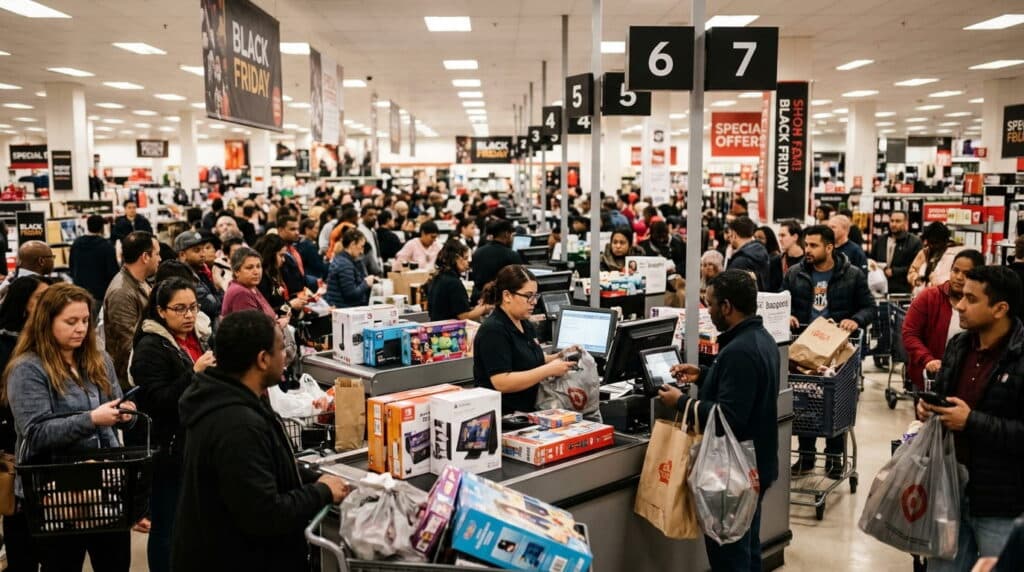
Contactless payments take just seconds to process, reducing wait times and improving the checkout experience. This efficiency is especially valuable during peak hours.
2. Enhanced Customer Convenience
Modern consumers expect flexibility. Offering contactless options means customers can pay using cards, smartphones, or wearable devices—whatever they prefer.
3. Improved Hygiene
Contactless payments minimize physical contact between customers and staff, aligning with ongoing health-conscious shopping habits.
4. Increased Security
With tokenization and encryption, sensitive card details are never exposed—reducing chargebacks and fraudulent activity.
5. Competitive Advantage
Businesses that embrace modern payment solutions appeal to tech-savvy consumers and project an image of innovation and reliability.
Do Contactless Payments Have Transaction Limits?
Yes, most contactless transactions have a maximum spending limit, depending on the region and card issuer. For example:
- In the U.S., contactless limits are often around $100 per transaction.
- In the U.K. and Canada, limits range from £100 to $250 CAD.
Larger purchases typically require a PIN or biometric verification, ensuring additional security for higher-value transactions.
Can Small Businesses Accept Contactless Payments?
Absolutely. In fact, contactless payments are ideal for small businesses because they improve cash flow and reduce manual handling of cash or checks.
Affordable POS systems—like RealTimePOS, Square, or Clover—make it easy for even the smallest merchants to accept tap-and-go payments. Many solutions also support mobile POS (mPOS), allowing businesses to accept payments anywhere—at markets, events, or on the go.
What Equipment Is Needed for Online Payments?
To accept contactless payments, businesses need a POS terminal or reader with NFC capability. Many modern POS systems already include this feature.
If you’re upgrading your system, look for:
- NFC-enabled payment terminals
- Cloud-based POS software that syncs transactions automatically
- Integrated payment processors to consolidate reporting and accounting
This setup ensures a seamless and efficient payment process—both in-store and online.
How Do Online Payments Affect Accounting and Reporting?
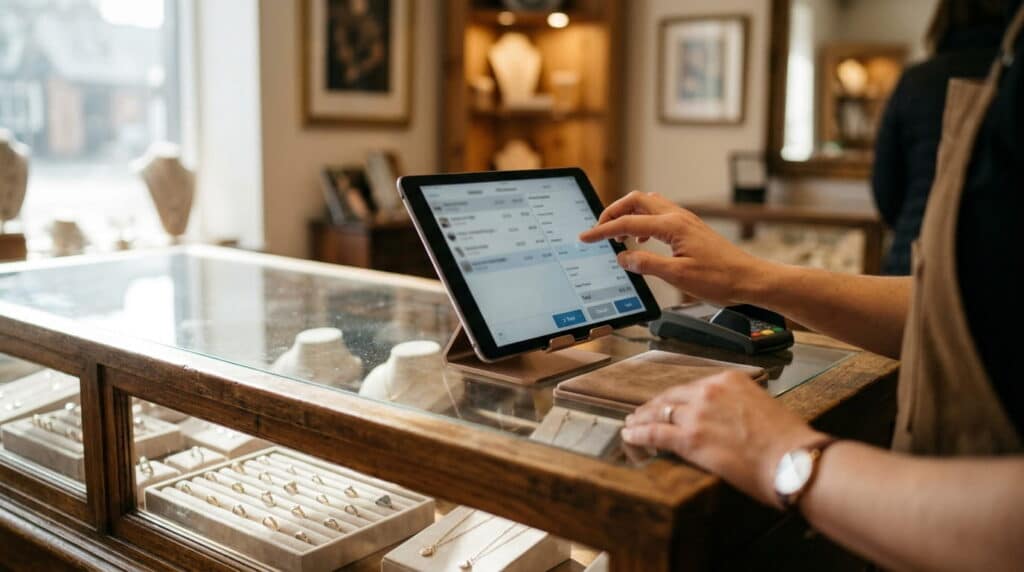
Modern POS systems automatically sync contactless transactions to your accounting and inventory software. This integration simplifies bookkeeping, eliminates manual data entry, and provides real-time financial insights.
By adopting an integrated POS system, you can track sales, manage refunds, and monitor transaction trends—all from a single dashboard.
Are There Fees for Accepting Online Payments?
Like other card transactions, contactless payments come with processing fees charged by banks or payment providers. Fees typically range between 1.5% and 3%, depending on the payment processor and business type.
However, the benefits—faster checkouts, reduced cash handling, and improved customer satisfaction—often outweigh these small costs.
What’s the Future of Online Payments?
The future is undeniably contactless. Experts predict that digital wallets and NFC transactions will dominate the payment landscape within the next decade.
Emerging technologies like QR code payments, biometric authentication, and tap-to-phone systems are further transforming how consumers pay and how businesses operate.
For retailers, adopting contactless payments isn’t just a convenience—it’s a step toward future-proofing your business against evolving customer preferences.
Conclusion
Contactless payments have redefined speed, security, and convenience at the checkout counter. Whether you run a small boutique or a large retail chain, offering this payment option enhances customer trust and operational efficiency.
By integrating online payment solutions into your business, you’re not only keeping up with consumer expectations—you’re setting the foundation for a more seamless, secure, and cashless future.