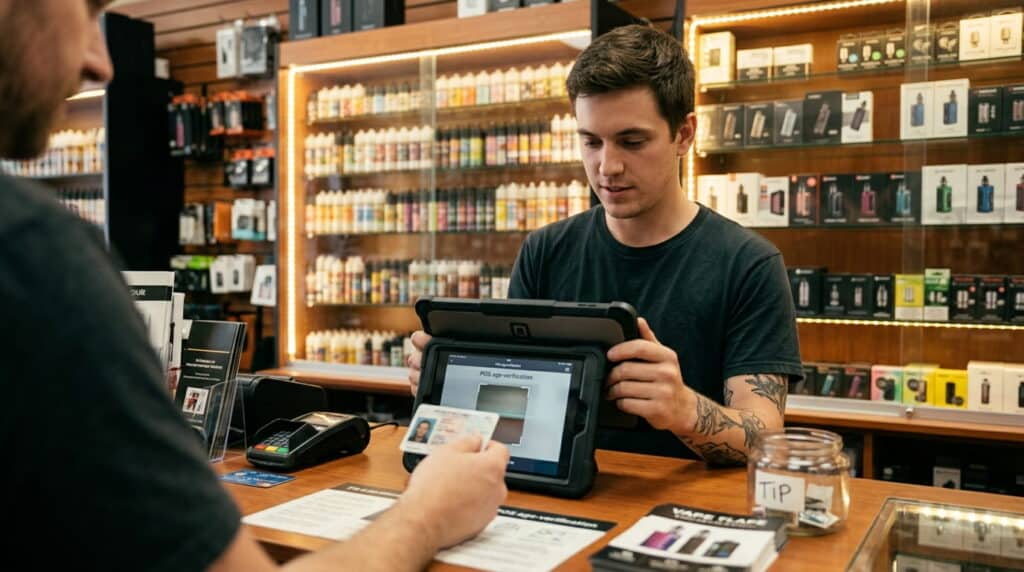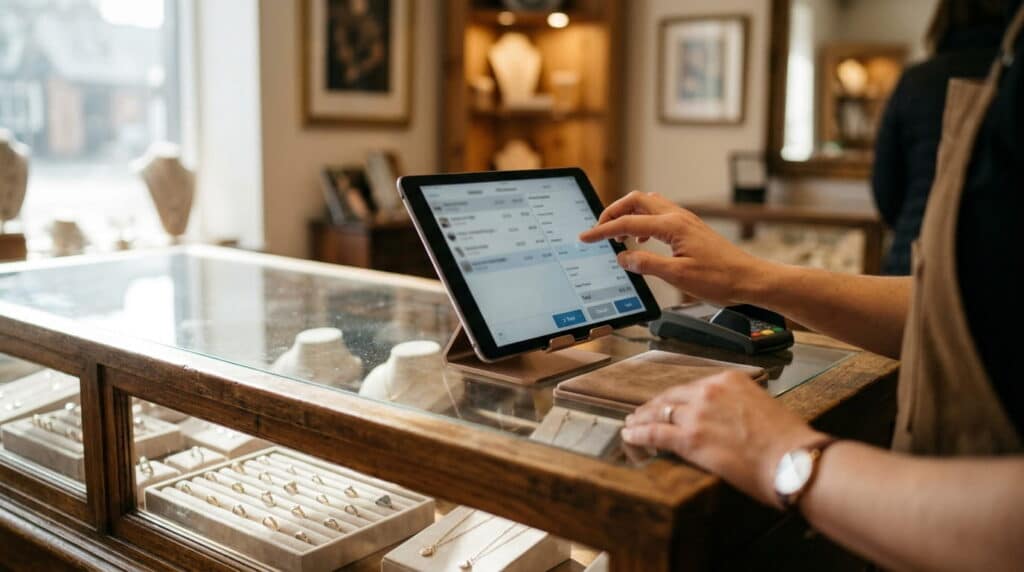

In today’s competitive retail landscape, businesses need smarter tools to manage sales, track inventory, and deliver a seamless customer experience. This is where POS sales systems come into play. A modern point of sale solution does more than just process transactions—it empowers retailers with data-driven insights, streamlines operations, and helps maximize profitability.
This guide explores what POS sales are, why they matter, and how adopting the right system can transform your retail business.
What Are POS Sales?
POS sales refer to the transactions that take place through a point of sale (POS) system. This includes every sale made at the checkout counter, online store, or mobile device using POS software. Unlike traditional cash registers, POS sales systems not only record purchases but also track inventory, generate reports, and provide customer data insights.
For retailers, POS sales aren’t just about collecting payments—they’re the foundation of smart business management.
Why POS Sales Are Important for Retailers
Retailers of all sizes benefit from monitoring and optimizing POS sales. Here’s why they matter:
1. Accurate Sales Tracking
With real-time transaction records, retailers can see exactly what products are selling and when. This helps identify sales trends and forecast demand.
2. Better Inventory Control
POS sales data connects directly to inventory, updating stock levels automatically with each transaction. This prevents stockouts and overstock issues.
3. Improved Customer Experience
A streamlined checkout process powered by POS sales makes shopping faster and more convenient, whether in-store or online.
4. Actionable Business Insights
Detailed sales reports show which items perform best, which promotions drive conversions, and how different locations compare.
5. Enhanced Employee Performance Monitoring
POS systems can track individual staff performance, including the number of sales made, upselling success, and efficiency.
Key Features of POS Sales Systems
To fully benefit from POS sales software, retailers should look for systems that include the following features:
- Real-time Reporting – Monitor daily, weekly, and monthly sales performance.
- Integrated Inventory Management – Automatically update stock with every sale.
- Multi-Channel Capabilities – Sync in-store and online sales in one system.
- Customer Profiles – Save customer purchase history for targeted promotions.
- Secure Payment Processing – Accept credit cards, mobile payments, and contactless transactions.
- Customizable Dashboards – Get quick access to the most important sales metrics.
How POS Sales Drive Business Growth
Adopting the right POS solution transforms sales from simple transactions into powerful business tools.
Increased Efficiency
Automated sales tracking reduces manual work and errors, freeing staff to focus on customers.
Data-Driven Decision Making
Sales insights allow retailers to make smarter choices about pricing, promotions, and product selection.
Stronger Customer Loyalty
Personalized offers and loyalty programs based on POS sales history keep customers coming back.
Scalable Business Operations
As a retail business grows, POS systems scale with it—handling higher sales volumes and multiple store locations with ease.
POS Sales in Different Retail Environments
- Clothing Stores – Track sales by size, color, and style.
- Bookshops – Manage ISBN-based inventory and sales reports.
- Footwear Stores – Monitor fast-moving styles and seasonal demand.
- Bike Shops – Record both product sales and service transactions.
Each industry benefits from POS sales insights tailored to its unique needs.
Choosing the Right POS Sales System
Not all POS systems are the same. When evaluating options, retailers should consider:
- Ease of Use – Simple interface for staff training.
- Integration – Works with accounting, e-commerce, and payment providers.
- Scalability – Adapts to business growth and multiple locations.
- Support – Reliable customer service and technical assistance.
Future of POS Sales
With cloud technology and mobile commerce on the rise, POS sales systems are becoming even more powerful. Expect to see:
- AI-driven sales insights predicting customer behavior.
- Omnichannel integration between physical stores, websites, and mobile apps.
- Contactless and digital wallet adoption growing rapidly.
- Cloud-based POS software ensuring secure, anytime access to sales data.
Retailers who embrace these trends will stay ahead of competitors and meet evolving customer expectations.
Conclusion
POS sales systems are more than just tools for processing payments—they’re engines for retail growth. By providing accurate reporting, smarter inventory management, and customer insights, POS solutions give retailers the competitive edge they need in today’s market.
Whether you run a boutique, bookshop, shoe store, or multi-location chain, adopting the right POS system is the key to transforming everyday transactions into long-term business success.