
Running a retail store in today’s competitive landscape requires efficiency, accuracy, and customer-focused service. Traditional cash registers and manual processes are no longer enough to keep up with consumer expectations. That’s why many retailers are investing in point of sale software for retail store operations. This type of system does more than process transactions—it helps streamline inventory, manage employees, and deliver insights that fuel smarter business decisions.
In this article, we’ll explore what point of sale (POS) software is, why it’s crucial for retail stores, the must-have features, and how to choose the right system for your business.
What is Point of Sale Software for Retail Store?
Point of sale software for retail store is a digital solution that manages transactions while integrating other essential business functions. Instead of simply ringing up sales, it connects sales data with inventory management, customer profiles, reporting tools, and more. This creates a centralized platform where retailers can track their entire business in real time.
Why Retail Stores Need POS Software
Modern retail is more complex than ever, with customers shopping across physical stores, online platforms, and mobile apps. POS software helps retailers adapt by:
- Automating manual tasks like stock updates and reporting.
- Reducing errors through barcode scanning and real-time tracking.
- Improving customer experiences with faster checkout and loyalty programs.
- Providing data insights to guide decisions on purchasing and promotions.
Without an integrated POS system, retailers risk inefficiency, lost sales, and poor customer satisfaction.
Key Features of POS Software for Retail Store
Inventory Management
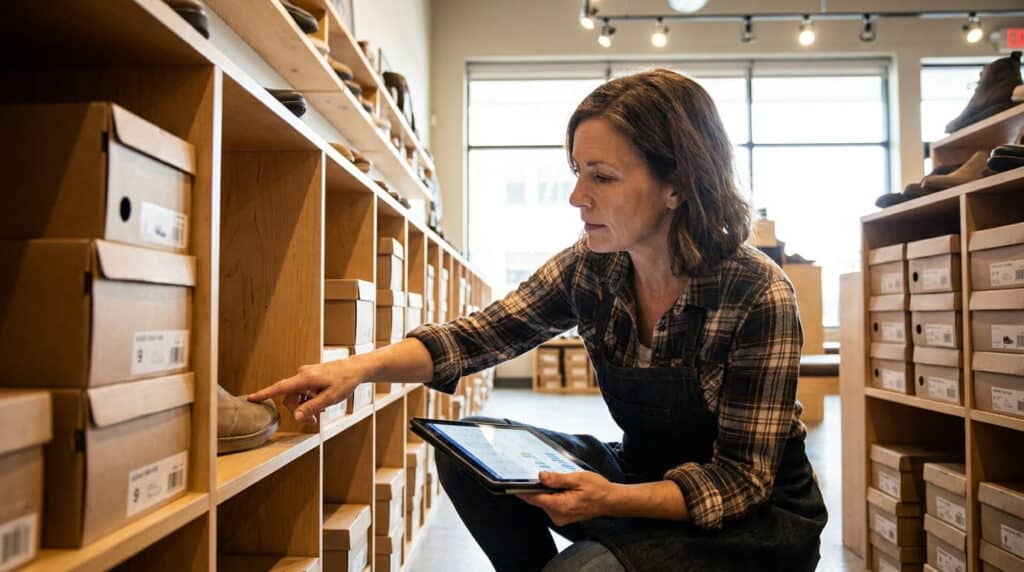
Track products in real time, set reorder points, and prevent stockouts or overstocking.
Sales Processing
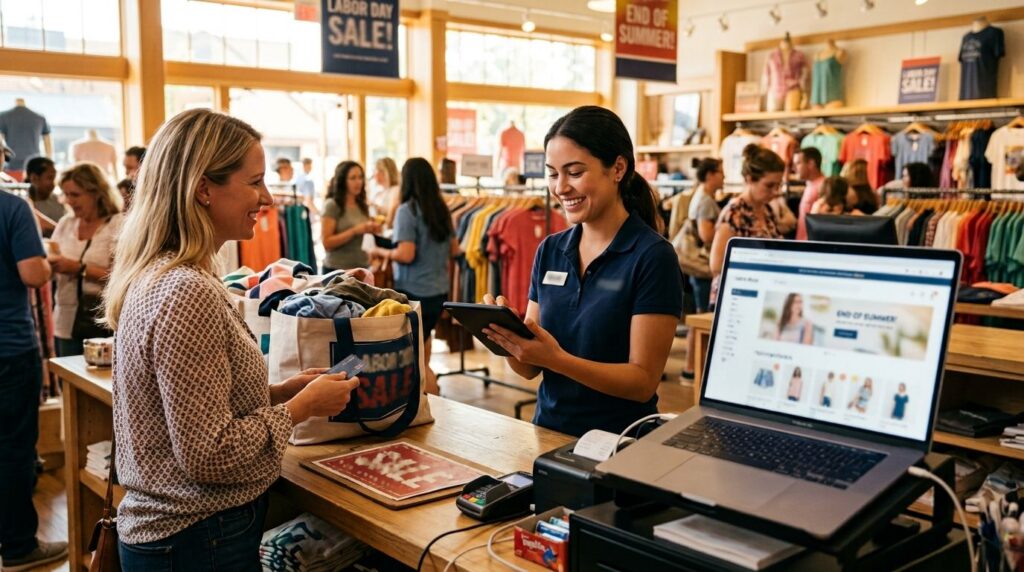
Handle multiple payment methods, discounts, and returns quickly and securely.
Customer Relationship Management (CRM)
Store customer information, track purchase history, and create loyalty programs.
Employee Management
Monitor staff performance, set permissions, and simplify scheduling.
Reporting and Analytics
Access sales trends, profit margins, and inventory reports for data-driven decisions.
Cloud Access
Manage store operations anytime, anywhere with cloud-based POS software.
Benefits of POS Software for Retailers
- Efficiency – Automates routine processes, saving staff time.
- Accuracy – Eliminates human error in sales and inventory tracking.
- Scalability – Grows with your business, supporting multiple locations.
- Enhanced Customer Service – Faster checkouts, personalized promotions, and better shopping experiences.
- Cost Control – Prevents losses from shrinkage, mismanagement, or poor forecasting.
POS Software vs. Traditional Systems
Traditional cash registers only handle basic sales transactions, while point of sale software for retail store integrates all aspects of operations. This makes it a smarter choice for retailers looking to grow and stay competitive.
Choosing the Right POS Software for Your Retail Store
When selecting POS software, retailers should consider:
- Ease of use – Staff should learn the system quickly.
- Integration options – Compatibility with accounting, e-commerce, and CRM tools.
- Support and updates – Reliable customer support and regular upgrades.
- Scalability – Flexibility to expand as your business grows.
Investing in the right POS system ensures that retailers not only keep up with today’s demands but also prepare for future growth.
Conclusion
A point of sale software for retail store is more than just a checkout tool—it’s a comprehensive solution for managing inventory, sales, staff, and customers. By adopting modern POS software, retailers can boost efficiency, reduce costs, and provide a seamless shopping experience that keeps customers coming back. In a competitive retail environment, the right POS system is no longer optional—it’s essential for success.