Updated: November 1, 2026
Not all retail businesses operate the same way, which is why flexibility matters when choosing a POS system. With customizable point of sale software, retailers can tailor their system to match unique workflows, industry needs, and growth goals. Instead of adapting your business to rigid software, customizable POS allows the software to adapt to you, and getting this wrong is costly: in a survey of more than 400 merchants, 34% cited a lack of necessary features as their reason for switching POS systems entirely, more than poor support or price combined.
Key Takeaways
- A lack of necessary features is the single biggest reason retailers switch POS systems, ahead of poor support or high price.
- Customizable doesn’t mean fully custom-built, it means a pre-built platform you can adjust to your workflow, without custom-development costs.
- The real test of a customizable POS isn’t the feature list, it’s whether reporting, inventory rules, checkout, and integrations can all flex to match how your specific business actually runs.
Table of Contents
Why Choose Customizable POS Software?
Customizable POS systems go beyond basic transaction processing. They let you design custom reports that highlight the data most important to your business, configure inventory management to handle specialized products, personalize customer engagement tools like loyalty programs and promotions, and integrate with essential applications like QuickBooks for seamless accounting. By adapting to your operations instead of forcing you to adapt to it, customizable POS software ensures your system grows alongside your business.
What to Look For in a Customizable POS System
Not every system labeled “customizable” delivers the same depth of flexibility. A few areas worth checking before you commit:
- Reporting and dashboards. Can you build custom reports around what actually matters to your business, not just the vendor’s default metrics?
- Receipt and branding. Look for the ability to adjust receipt layout and branding, it’s a small detail that affects how customers experience your store.
- Checkout flexibility. Support for discounts, split payments, and multiple payment methods matters more as your customer base diversifies.
- Multi-location support. If you run or plan to run more than one store, cloud-based software that shares data across locations in real time saves you from reconciling two systems manually.
- Ease of use and training. Staff should be able to learn the system quickly, with real training support available, not a manual and a login.
- Security and compliance. Confirm PCI DSS compliance and protections like encryption, non-negotiable for any system handling card data.
- Ongoing support and updates. A customizable system you can’t get help configuring isn’t actually flexible, it’s just complicated.
- Integrations and scalability. Check whether the system connects to the accounting, ecommerce, and inventory tools you already use, or plan to.
Customization in Action: Two Examples
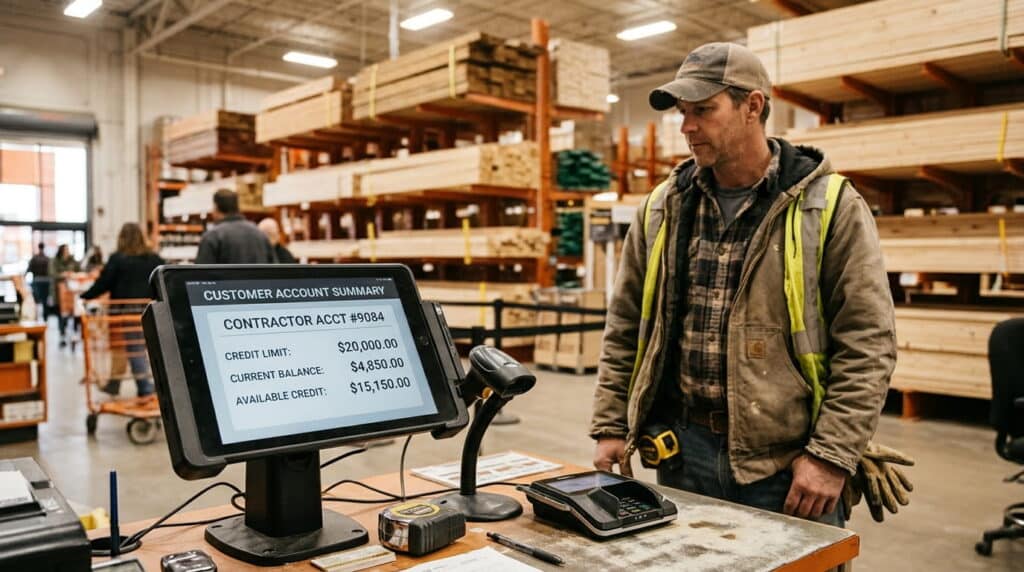
Customization shows up differently depending on what a retailer actually sells. A secondhand or thrift store needs to track diverse, often one-off inventory and manage flexible pricing, a need specific enough that we cover it in detail in our thrift store POS guide. A business selling electronics, appliances, or hardware needs reliable serial number tracking at the point of sale to simplify warranty claims, something we go deeper on in our guide to serial number tracking Both are the same underlying idea: the system should bend to the business, not the other way around.
RealTimePOS: Custom Solutions for Modern Retail
At RealTimePOS, we deliver advanced customizable point of sale software designed for retailers of all sizes. Our solutions are built with flexibility in mind, offering inventory management with barcode printing, promotions and discount customization, QuickBooks integration for accurate financial tracking, customer marketing and loyalty features, and training and ongoing POS support. With RealTimePOS, you gain the freedom to shape your POS system around your business, not the other way around.
Frequently Asked Questions
What’s the difference between customizable POS software and a fully custom-built system?
Can I customize receipts and branding on my POS?
Does customizable POS software cost more?
Shape Your POS Around Your Business
See how Realtime POS adapts reporting, inventory, promotions, and integrations to fit your actual workflow, not a generic template.