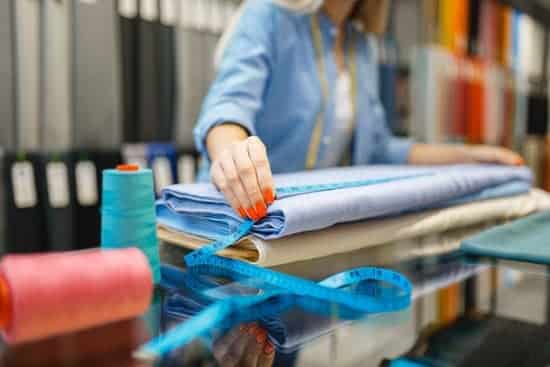
Most fabric store POS content, including our own general guide, covers the basics that apply across the category: tracking stock by the yard, handling variants like color and pattern, running loyalty programs. Quilt shops and quilt stores share all of that, but they also run a business model generic fabric retail content doesn’t quite capture, built around bolts that get cut down gradually over months, and often classes and kits sold alongside raw yardage.
Key Takeaways
- Bolt and yardage tracking is a real, built-in feature, not a workaround, worth understanding specifically for how quilt shops use it
- Fractional-yard pricing precision, class scheduling, and kit bundling are common quilt shop needs worth asking any POS vendor about directly
- A bolt that gets cut down over months needs different tracking than a fixed-count product, that’s the core difference from typical retail inventory
- For general fabric store features beyond quilting specifics, our main guide covers the full picture
In This Guide
Why a Bolt of Fabric Doesn’t Behave Like Normal Inventory
A bolt of fabric isn’t sold all at once. It arrives with a fixed yardage, then gets cut down gradually, sometimes over months, as customers buy a yard here, three yards there. That’s fundamentally different from a product that’s either in stock or sold, and it’s why bolt-level tracking matters specifically for a quilt store in a way it doesn’t for most retail categories.
Realtime POS supports bolt and yardage tracking as a core feature, our main guide to fabric store POS systems covers this alongside the platform’s other retail features. For a quilt shop specifically, the practical benefit is knowing exactly how many yards remain on a given bolt at any moment, without a manual recount, so a bolt that’s down to its last few yards doesn’t get sold past what’s actually left on the shelf.
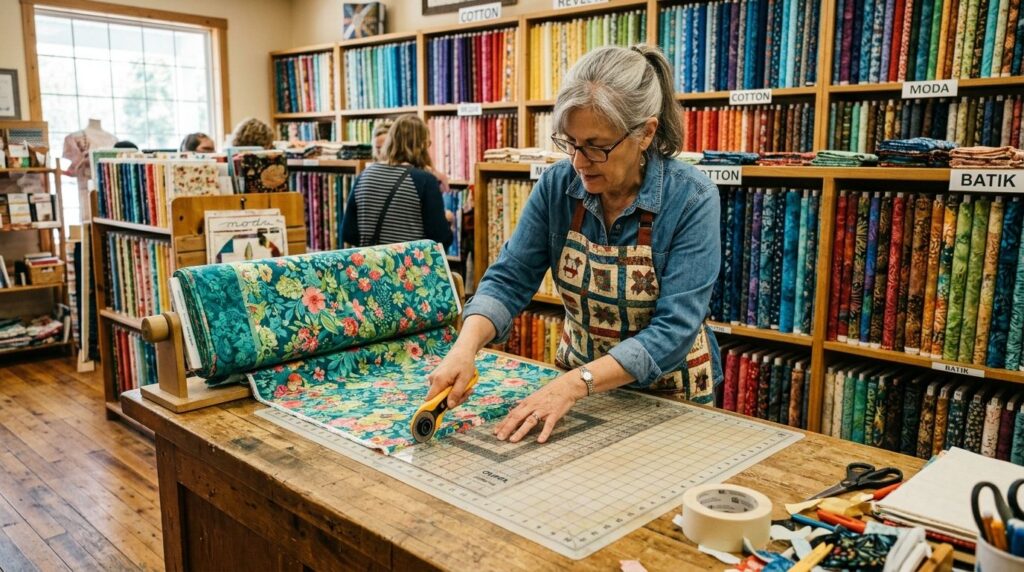
This matters more in quilting than in general fabric retail because quilters often buy in small, precise amounts, a quarter yard here, an eighth there, for a specific pattern. Inventory systems built around whole-unit counts don’t naturally handle that.
What to Ask About Fractional Pricing, Classes, and Kits
Beyond bolt tracking, quilt shops commonly need a few things that vary significantly by POS provider, worth asking about directly rather than assuming:
- Can the system price a cut automatically based on a fractional yardage measurement (an eighth of a yard, a third of a yard), or does it require rounding to fixed increments?
- If your shop runs classes, does scheduling and registration fit into the same system as sales, or does it need a separate tool?
- If you sell pre-cut kits or bundles, can the system track kit contents as a single product while still drawing down the individual fabrics inside it from inventory?
These vary enough between providers that it’s worth confirming directly rather than assuming a system handles them because it handles basic yardage tracking.
In our conversations with quilt store and fabric shop owners over the years, bolt tracking is usually the easy part to evaluate, most systems can show a number going down. The harder question to get a straight answer on is what happens at the edges: a partial yard, a class registration, a kit that pulls from three different bolts at once. Those are the details worth pressing a vendor on before signing anything.
If You Also Sell and Service Sewing Machines
A quilt or fabric shop selling and repairing sewing machines is running two businesses on one register, and a generic system usually only handles the retail half cleanly. Work orders track a repair from intake to pickup, and serial number tracking ties that specific machine, not just “a sewing machine” but the one a customer actually dropped off, to its own sales, warranty, and repair history. Together, that’s what lets a shop confirm which machine a customer is asking about without digging through paper tickets.
Frequently Asked Questions
Can a POS track fabric by fractional yardage instead of whole units?
How does a POS handle individual fabric bolts as they’re cut down?
Can a fabric store POS manage classes and kits alongside regular sales?
Related Reading
For the full picture on inventory tracking, variants, and loyalty features, see our main guide to fabric store POS systems.
See Bolt and Yardage Tracking Built for Quilt Stores
Talk to us about how your shop measures, cuts, and sells fabric.
Call (888) 365-0026 Book a FREE Demo