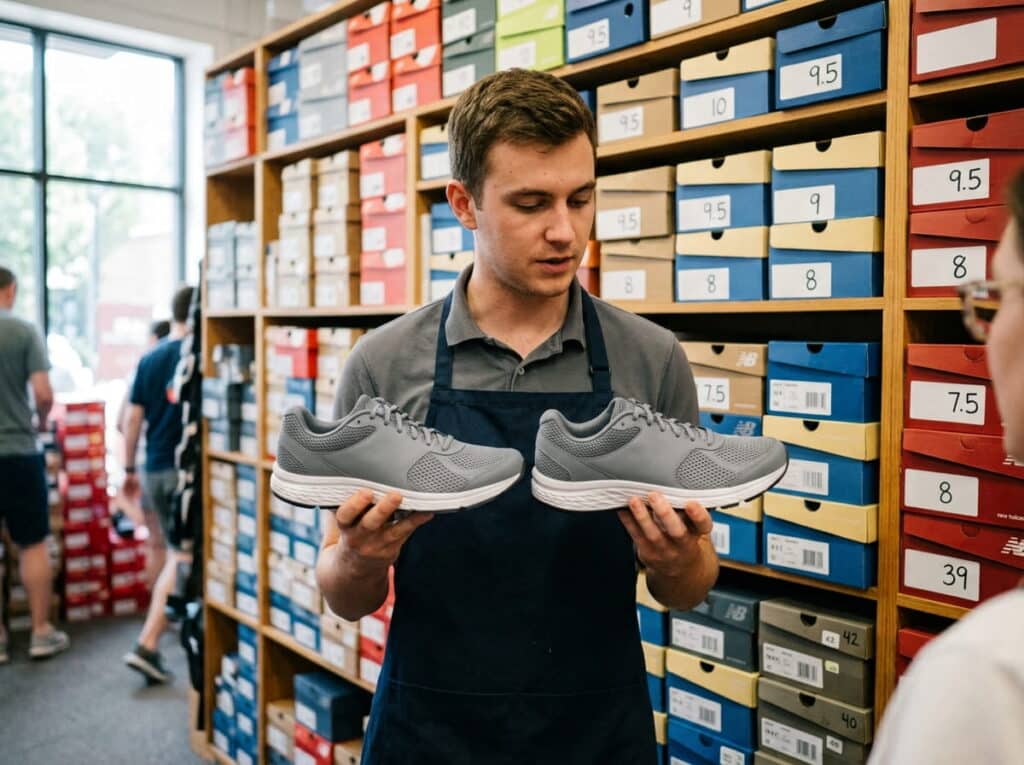

Running an apparel store means managing dozens of product variants, sizes, colors, styles, and seasonal trends, all at once, and a single shirt can turn into a dozen separate SKUs before it ever reaches the floor. Generic retail software wasn’t built for that complexity. A POS system designed specifically for apparel is what makes it manageable.
Key Takeaways
- A single apparel product can become a dozen or more separate SKUs once size and color variants are counted, generic inventory tools weren’t built for that.
- Apparel has a higher return and exchange rate than most retail categories, mostly due to sizing, a POS system needs to handle that smoothly, not treat it as an edge case.
- The right apparel POS system pays off most in day-to-day variant tracking and easy staff training, not in a long feature checklist.
Table of Contents
Why Apparel Inventory Is Harder to Manage Than Other Retail
Most retail categories sell one version of a product. Apparel rarely does. A single shirt style might come in 5 sizes and 4 colors, 20 separate SKUs from one design, and that’s before seasonal changeovers add or retire styles every few months.
Generic POS and inventory tools that treat a product as one line item struggle here, they either lose track of which specific size/color combination is actually in stock, or require so much manual setup that staff stops keeping it updated.
Handling Sizes, Colors, and Styles Without Losing Track of Stock
A POS system built for apparel handles variant inventory management natively, tracking each size and color combination as its own SKU under one parent product, so staff can see exactly what’s left in a specific size without digging through a spreadsheet or walking the floor.
Combined with barcode scanning at the SKU level, this is what keeps checkout fast and stock counts accurate even with dozens of variants per style.
Why Returns and Exchanges Hit Apparel Retailers Harder
Apparel sees more returns and exchanges than most retail categories, largely because sizing doesn’t translate perfectly across brands or even across a single brand’s own styles. A customer exchanging a shirt for a different size isn’t a rare event, it’s routine.
Omnichannel integration matters here specifically: if in-store and online inventory aren’t synced in real time, an exchange can mean promising a size that’s actually already sold out online, or vice versa.
What to Look for in a POS System Built for Apparel
Beyond variant tracking, the two things that matter most are how easily staff can learn the system and how well it syncs inventory across every sales channel. A system that handles variants well but takes weeks to train staff on just moves the time cost elsewhere, and one that doesn’t sync online and in-store inventory in real time reintroduces the exact stock-accuracy problem apparel retailers are trying to solve in the first place.
Frequently Asked Questions
Why does an apparel store need a specialized POS system?
How does variant inventory management work?
Why do apparel stores get more returns and exchanges?
What should I look for when choosing a POS system for my apparel store?
See the POS System Built for Apparel Stores
Track every size and color variant, sync inventory across every channel, and handle exchanges without the guesswork.
No pressure, no obligation, just a quick look at what fits your store.