Starting a sporting goods store is an exciting opportunity to combine a passion for sports with a profitable retail business. As more people embrace fitness, outdoor adventures, and recreational activities, the demand for quality sporting equipment continues to rise. However, succeeding in this competitive market requires more than just enthusiasm—it demands strategic planning, smart inventory management, and exceptional customer service.
This guide walks you through the essential steps on how to start a sporting goods store, from initial research to store launch and long-term growth.
1. Research the Market and Identify Your Niche
Before diving in, conduct detailed market research to understand your target audience, local demand, and competitors. Identify whether you’ll focus on a specific niche—such as outdoor sports, team equipment, or fitness gear—or offer a wide selection of products.
Key factors to consider include:
- Demographics: Are your customers athletes, parents, schools, or hobbyists?
- Trends: Fitness tech, eco-friendly products, and athleisure wear are growing segments.
- Competition: Visit local stores and online retailers to analyze their pricing and brand strategies.
Choosing a defined niche helps your sporting goods store stand out and attract loyal customers.
2. Create a Business Plan
A solid business plan serves as the foundation for your store’s success. It should outline your goals, budget, marketing approach, and operational structure. Include the following elements:
- Executive Summary: Describe your mission and objectives.
- Market Analysis: Present your research findings and identify opportunities.
- Product Line: List the types of sporting goods you’ll offer.
- Marketing Strategy: Include online and local promotional plans.
- Financial Projections: Estimate startup costs, expenses, and profit margins.
This plan not only guides your decisions but also helps you secure funding if needed.
3. Choose the Right Location or Online Platform
Selecting the right location is critical for retail success. Look for areas with high foot traffic, such as shopping centers, near gyms, schools, or sports complexes. The store should be easily accessible and have enough space for product displays and storage.
Alternatively, consider launching an online sporting goods store. With the right eCommerce platform—like Shopify or WooCommerce—you can reach a wider audience and reduce overhead costs. Many successful retailers operate both physical and online stores for maximum reach.
4. Register Your Business and Obtain Licenses
Register your sporting goods business according to local laws. Choose a business structure—such as sole proprietorship, partnership, or LLC—and register your store name. Don’t forget to apply for necessary business licenses, tax permits, and liability insurance, especially if you plan to sell branded or specialized equipment.
5. Build Strong Supplier Relationships
Reliable suppliers are essential to maintaining consistent inventory levels and product quality. Research and connect with reputable wholesalers or manufacturers that provide quality sporting goods at competitive prices.
Establishing long-term relationships with suppliers can lead to better pricing, exclusive deals, and faster restocking times—helping you stay ahead of competitors.
6. Design an Engaging Store Layout
Whether online or physical, your store layout significantly affects customer experience. For brick-and-mortar locations, organize items by sport or category and ensure displays are visually appealing. Use signage and lighting to highlight promotions or seasonal collections.
For eCommerce stores, focus on intuitive navigation, clear product descriptions, and high-quality images. A seamless checkout experience increases conversion rates and customer satisfaction.
7. Implement an Efficient POS and Inventory System
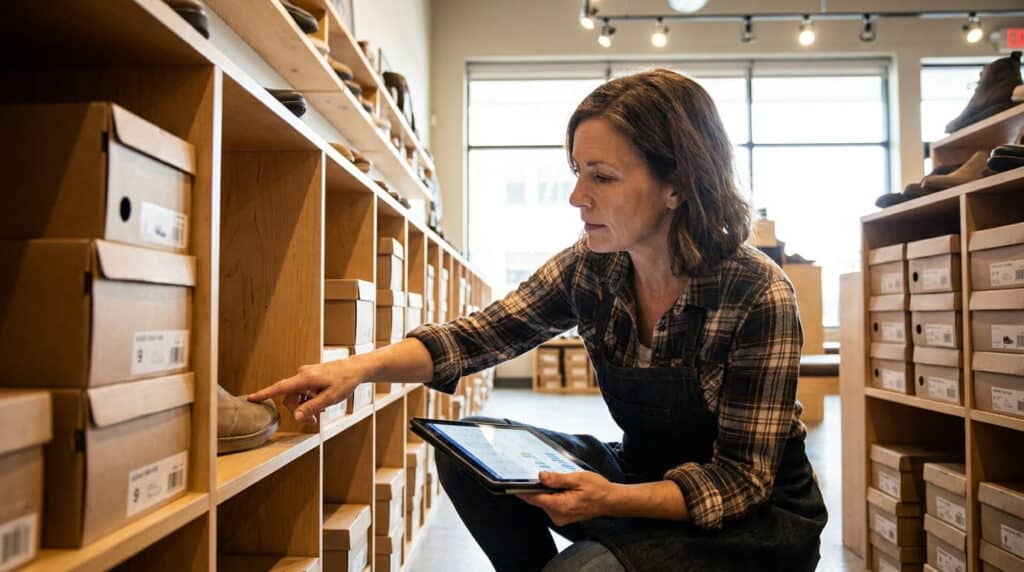
Running a sporting goods store involves handling thousands of SKUs—ranging from shoes to equipment and accessories. A reliable point of sale (POS) system with inventory management helps streamline sales, track stock levels, and prevent overstocking or shortages.
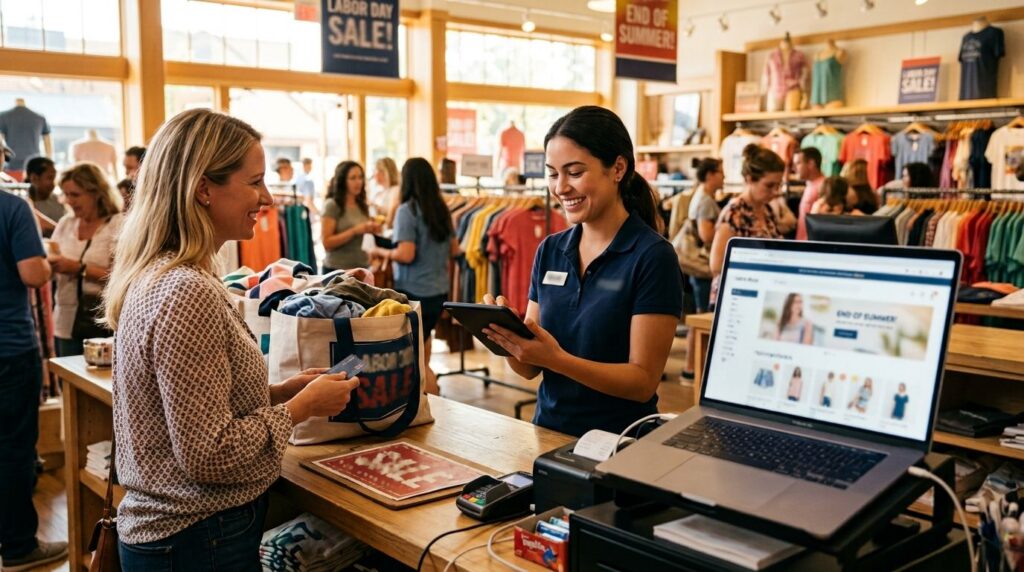
A cloud-based POS solution can sync your online and physical store inventories, automate reorders, and generate real-time reports for better decision-making. This technology saves time and ensures smooth operations, especially during high-demand seasons.
8. Create a Marketing Strategy to Attract Customers
Effective marketing drives traffic to your store and builds brand awareness. Combine both traditional and digital strategies to reach your target audience.
Proven marketing ideas include:
- Social Media Marketing: Showcase new arrivals, promotions, and sports events on platforms like Facebook, Instagram, and TikTok.
- Email Campaigns: Keep customers informed about discounts and product launches.
- Local Partnerships: Sponsor school teams or community events to build visibility.
- SEO Optimization: Use keywords like sporting goods store near me or buy sports gear online to improve search rankings.
Consistency and creativity are key to retaining customer interest and driving repeat business.
9. Hire and Train Knowledgeable Staff
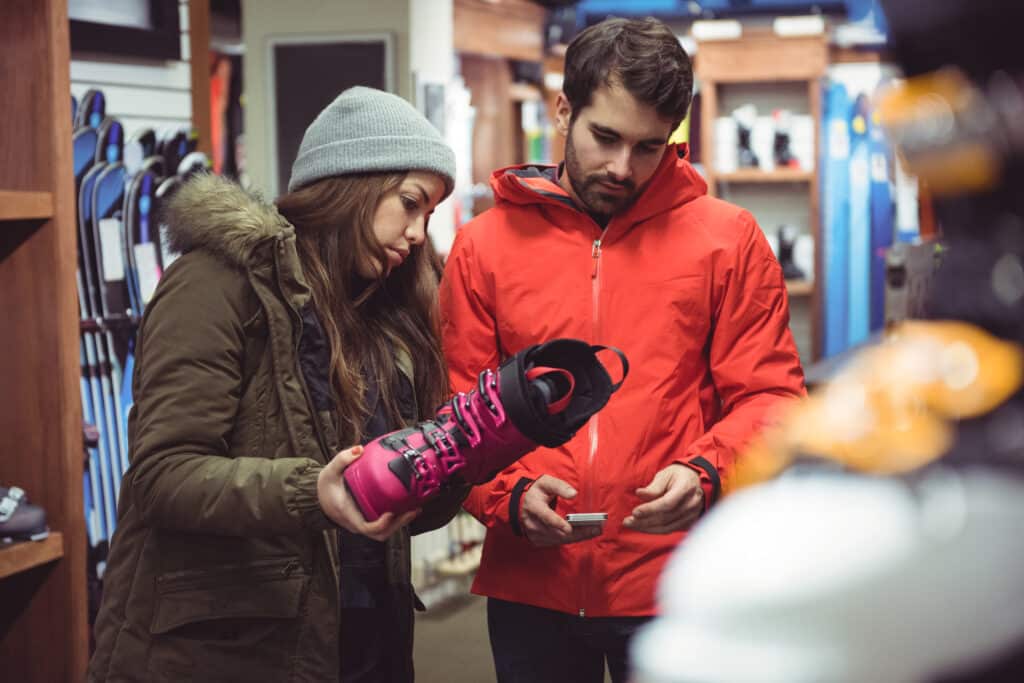
Your employees represent your brand. Hire staff who are passionate about sports and knowledgeable about the products you sell. Provide training on customer service, product features, and POS system usage.
Exceptional service builds trust and encourages word-of-mouth marketing—one of the most effective ways to grow your business organically.
10. Monitor Performance and Adapt
Once your store is up and running, continuously monitor key performance indicators (KPIs) such as sales trends, inventory turnover, and customer feedback. Use this data to refine your strategy, adjust pricing, and introduce new product lines.
Adaptability is crucial in the sporting goods industry, as trends and technologies evolve rapidly. Regularly refreshing your inventory and marketing approach ensures long-term relevance and profitability.
Conclusion
Learning how to start a sporting goods store involves strategic planning, careful management, and a passion for helping people stay active. By choosing the right niche, implementing smart retail technology, and focusing on customer experience, you can build a thriving business that stands the test of time.
With the right strategy and tools in place, your sporting goods store can become a go-to destination for athletes, fitness enthusiasts, and sports lovers alike.