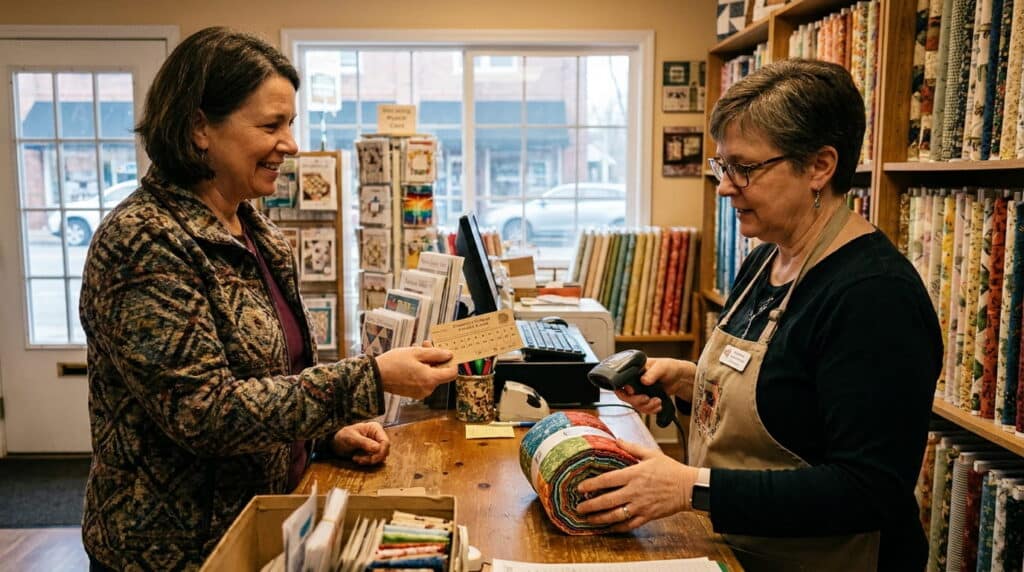
A “buy 10 fat quarters, get one free” punch card is easy to promise and easy to lose track of by the third customer who asks how many punches they have left. That’s the real tension behind most quilt shop marketing: the ideas themselves aren’t hard, tracking whether they’re actually working is. Here are seven that consistently work for quilt and fabric retailers, and what it takes to know if they paid off.
Key Takeaways
- Quilters are repeat, project-driven buyers, which makes loyalty and referral programs unusually effective for this category specifically.
- Seasonal fabric drops work best started 4 to 8 weeks ahead of the holiday they’re tied to, not the week of.
- A 5% improvement in customer retention can increase profits by 25 to 95 percent, loyalty tactics aren’t a nice-to-have, they’re one of the highest-leverage things a small shop can do.
- The idea is rarely the hard part. Knowing which promotion actually drove a sale, versus which one just got likes, is.
Table of Contents
- Run a Loyalty Program Built for Repeat Project Buyers
- Launch Seasonal Fabric Collections Early
- Turn Classes and Workshops Into a Marketing Channel
- Bundle Slower-Moving Fabric Into Kits
- Start a Referral Program
- Use Project Challenges on Social Media
- Track What Actually Sells, Not Just What Gets Likes
- Frequently Asked Questions
Run a Loyalty Program Built for Repeat Project Buyers
Quilters rarely buy once. A single project can pull someone back into the shop three or four times for backing fabric, binding, or a notion they forgot. That buying pattern is exactly what a loyalty program is built for.
A 5% improvement in customer retention can increase profits by 25 to 95 percent, according to research published in Harvard Business Review, which makes a loyalty program one of the highest-leverage tactics available to a small shop, not just a nice gesture. A points system or a simple fat-quarter punch card both work. What matters more is customer marketing that actually reaches people at the right moment, a reminder email when someone hasn’t been in for a project in a while does more than a generic monthly newsletter.
Launch Seasonal Fabric Collections Early
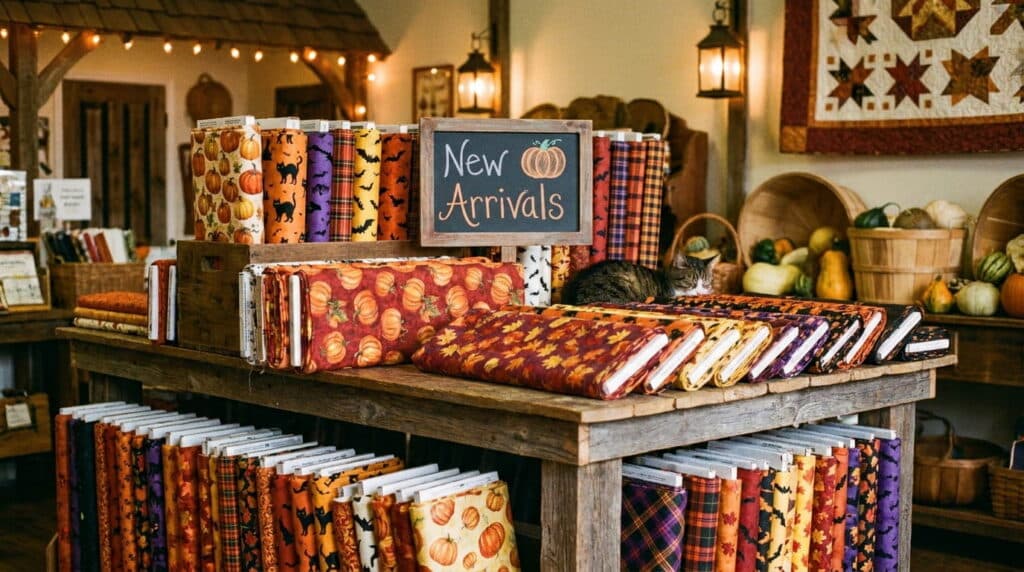
Christmas, Halloween, and Valentine’s prints sell better with a real head start. Stock and promote seasonal fabric 4 to 8 weeks before the holiday it’s tied to, not the week of, since quilters plan projects well ahead of the actual date. A 15 to 30 percent discount window on last season’s prints clears space for the next collection without a fire sale.
Turn Classes and Workshops Into a Marketing Channel
A class does two things a straight sale doesn’t: it gets a customer into the shop for two hours instead of ten minutes, and it gives them a reason to come back with questions, and buy the fabric for their next project while they’re there. Even a shop running one class a month benefits from treating it as a marketing event, not just a service, promote it the same way you’d promote a sale.
Bundle Slower-Moving Fabric Into Kits
Pairing a slower-selling print with a pattern and a coordinating solid turns three separate slow movers into one appealing kit. This works especially well on fabric that’s been on the shelf a while, it moves product that a straight markdown might not, without training customers to wait for discounts on new arrivals.
Start a Referral Program
A quilter who loves your shop is already telling other quilters about it, a referral program just gives that word-of-mouth a reason to happen faster. A discount for both the referrer and the new customer costs less than most paid advertising and reaches an audience that’s already primed to buy.
Use Project Challenges on Social Media
Ask customers to post a finished project made with fabric from your shop, tag your store, and offer a small prize for a favorite entry. This produces real customer photos, real social proof, and a reason for people outside your existing customer base to find the shop, at a fraction of the cost of paid social ads.
Track What Actually Sells, Not Just What Gets Likes
Here’s where most of these ideas quietly fail: a shop runs a fat-quarter punch card, a seasonal sale, and a social media challenge all in the same month, and has no real way to tell which one actually moved fabric. Sales reporting that breaks down what sold during a specific promotion window, not just total revenue for the month, is what turns “we think the punch cards are working” into an actual answer. The same promotions management that runs the discount at checkout should be the thing that tells you afterward whether it was worth running again.
Frequently Asked Questions
When should a quilt shop start marketing seasonal fabric?
Do loyalty programs actually work for quilt shops?
How do I know which promotion actually worked?
What’s a fat quarter punch card?
Should a quilt shop focus on social media or email marketing?
See Which Promotions Actually Work
Run the loyalty program, the seasonal sale, the punch card, then actually see which one moved fabric.